
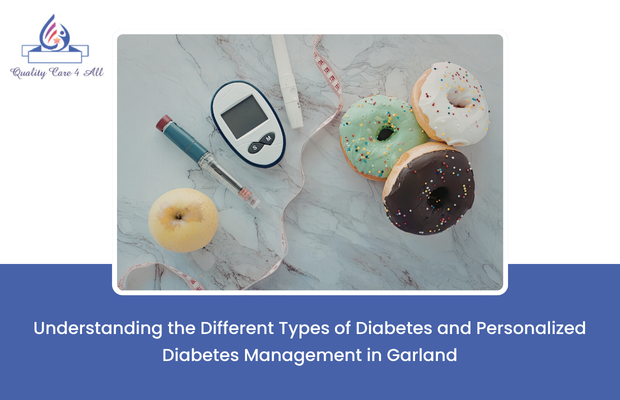
Diabetes is one of the most common chronic health conditions affecting families across the United States today. Yet despite how widespread it is, many people still feel confused or overwhelmed when they first hear the diagnosis. Learning about the different types of diabetes and understanding how personalized Diabetes management works can make a powerful difference in how confidently someone approaches their health journey.
At Texans Health and Wellness, diabetes care is not just about lowering numbers on a lab report. It is about helping individuals in Garland improve their energy, protect long-term health, prevent complications, and feel supported every step of the way. Whether someone is living with type 1 diabetes, navigating type 2 diabetes, or working to prevent disease progression, a personalized approach can help restore balance and confidence.
Understanding diabetes begins with understanding how the body uses glucose and why that process sometimes changes.
What Happens Inside the Body When Diabetes Develops?
Glucose is the body’s primary source of energy. It travels through the bloodstream and enters cells with the help of insulin, a hormone produced by the pancreas. When insulin is not produced properly or when the body cannot respond to it effectively, glucose begins to build up in the bloodstream.
Over time, elevated blood sugar can affect nearly every system in the body, including the heart, kidneys, brain, nerves, and immune system. This is why early recognition and proactive Diabetes management are so important for long-term wellness.
For many individuals in Garland, learning how blood sugar affects the body becomes the first step toward regaining control over health.
Understanding the Different Types of Diabetes
There are several different types of diabetes, and each has unique causes, symptoms, and treatment strategies. Recognizing these differences helps guide the most effective care plan.
Type 1 Diabetes
Type 1 diabetes is an autoimmune condition in which the immune system mistakenly attacks the insulin-producing cells of the pancreas. As a result, the body produces little or no insulin.
This condition often appears during childhood or adolescence, but adults can also develop it later in life.
Common symptoms include:
- Frequent urination
- Increased thirst
- Extreme hunger
- Unexplained weight loss
- Fatigue
- Blurred vision
Because insulin production stops, individuals with type 1 diabetes require lifelong insulin therapy. However, with structured medical guidance and lifestyle support, many people live full and active lives.
Families in Garland caring for children with type 1 diabetes often benefit greatly from education, monitoring support, and personalized care coordination.
Type 2 Diabetes
Type 2 diabetes is the most common form of diabetes in the United States. It develops when the body becomes resistant to insulin or when the pancreas cannot produce enough insulin to keep blood sugar levels stable.
Unlike type 1 diabetes, this condition often develops gradually and may go unnoticed in its early stages.
Common warning signs include:
- Increased thirst
- Frequent urination
- Fatigue
- Slow wound healing
- Blurred vision
- Tingling in hands or feet
Risk factors may include:
- Family history
- Sedentary lifestyle
- Hormonal imbalance
- Weight gain
- Stress
- Sleep disruption
- Aging
The encouraging news is that early and personalized Diabetes management can significantly improve outcomes for people living with type 2 diabetes.
Prediabetes: A Critical Opportunity for Prevention
Prediabetes occurs when blood sugar levels are elevated but not yet high enough for a diabetes diagnosis.
This stage is especially important because it offers a window of opportunity for prevention. With lifestyle improvements and early medical support, many individuals can avoid progression to type 2 diabetes altogether.
Routine screenings play a key role in identifying prediabetes early for residents in Garland who may be at risk.
Gestational Diabetes
Gestational diabetes develops during pregnancy and typically resolves after childbirth. However, it increases the risk of developing type 2 diabetes later in life.
Monitoring blood sugar during pregnancy protects both mother and baby and supports a healthier delivery experience.
Why Early Diabetes Management Makes a Long-Term Difference
Effective Diabetes management is not only about controlling glucose levels today. It is also about protecting future health.
Without proper care, diabetes can contribute to:
- Cardiovascular disease
- Kidney disease
- Vision complications
- Nerve damage
- Circulation challenges
- Reduced immune function
When patients begin treatment early, they often experience improved energy, better sleep, clearer thinking, and stronger overall wellness.
Residents in Garland who take proactive steps toward managing diabetes frequently notice meaningful improvements in daily quality of life.
Personalized Diabetes Management in Garland
Every individual experiences diabetes differently. That is why Texans Health and Wellness focuses on personalized treatment plans designed around each patient’s health history, lifestyle, and goals.
Supportive Diabetes management strategies may include several important components.
Comprehensive Health Evaluations
Understanding the root causes behind blood sugar imbalance helps providers design more effective treatment strategies.
Evaluations may include:
- Blood glucose testing
- Hormone assessments
- Nutritional review
- Lifestyle evaluation
- Cardiometabolic risk screening
This whole-body perspective allows providers to address contributing factors rather than symptoms alone.
Nutrition Support That Fits Real Life
Nutrition plays a central role in managing the different types of diabetes, but effective guidance should feel realistic and sustainable.
Patients often benefit from learning how to:
- Balance carbohydrates appropriately
- Choose high-quality proteins
- Reduce hidden sugars
- Improve insulin sensitivity
- Support metabolism naturally
Even small nutritional changes can lead to lasting improvements in blood sugar control.
Physical Activity and Metabolic Health
Movement supports insulin function and improves circulation throughout the body.
Helpful strategies may include:
- Walking routines
- Strength training
- Flexibility exercises
- Structured activity planning
Regular movement strengthens the body’s natural ability to regulate glucose levels and supports healthy weight balance.
Stress and Sleep Support for Blood Sugar Stability
Stress hormones can significantly influence glucose regulation. Poor sleep can also disrupt insulin sensitivity.
Patients managing type 2 diabetes often experience noticeable improvements when sleep quality and stress levels are addressed.
Supportive strategies may include:
- Relaxation techniques
- Sleep routine improvements
- Lifestyle coaching
- Hormone balance support
These adjustments help strengthen long-term metabolic stability.
Medication and Monitoring When Needed
Some individuals benefit from medication or insulin as part of their treatment plan.
Regular monitoring helps:
- Track glucose trends
- Adjust treatment safely
- Prevent complications
- Improve confidence in daily routines
Patients living with type 1 diabetes especially benefit from structured monitoring support and ongoing education.
Preventing Complications Through Long-Term Diabetes Management
One of the most important goals of Diabetes management is preventing complications before they begin.
Preventive care strategies may include:
- Routine blood sugar monitoring
- Kidney function screening
- Vision health evaluations
- Cardiovascular assessments
- Hormone balance testing
These proactive steps help protect long-term wellness for individuals living in Garland and surrounding communities.
How Diabetes Affects Whole-Body Wellness
Blood sugar balance influences far more than metabolism alone. It affects multiple systems throughout the body.
Healthy glucose regulation supports:
Heart health
Brain clarity
Energy levels
Immune strength
Hormone balance
Sleep quality
Taking a whole-person approach allows patients to feel better overall—not just manage a diagnosis.
Supporting Families Living With Type 1 Diabetes
Families caring for someone with type 1 diabetes often benefit from guidance and structured support systems.
Helpful strategies include:
- Understanding insulin timing
- Learning glucose monitoring routines
- Supporting balanced nutrition habits
- Encouraging safe physical activity
- Recognizing early warning symptoms
With education and compassionate care, families can feel confident navigating diabetes together.
When Should You Seek Diabetes Care in Garland?
Early support makes a meaningful difference in outcomes.
Consider scheduling an evaluation if you notice:
- Increased thirst
- Frequent urination
- Persistent fatigue
- Slow healing wounds
- Unexplained weight changes
- Brain fog
- Family history of diabetes
Residents in Garland benefit from access to personalized care designed to support both prevention and long-term health management.
Building a Healthier Future With Personalized Diabetes Management in Garland
Living with diabetes does not mean losing control of your health. With the right support system and medical guidance, individuals can manage symptoms effectively, prevent complications, and improve their overall quality of life.
Understanding the different types of diabetes, recognizing early warning signs, and working with experienced providers helps create a strong foundation for long-term wellness.
Whether managing type 1 diabetes, improving outcomes with type 2 diabetes, or strengthening prevention through proactive Diabetes management, compassionate and personalized care can help individuals in Garland move forward with confidence and clarity.
Texans Health and Wellness is committed to supporting patients at every stage of their diabetes journey with education, prevention strategies, and individualized treatment plans designed for lasting results.
Frequently Asked Questions
The main different types of diabetes include type 1 diabetes, type 2 diabetes, gestational diabetes, and prediabetes. Each condition affects insulin function differently and requires a personalized treatment approach.
Type 1 diabetes occurs when the immune system stops insulin production, while type 2 diabetes develops when the body becomes resistant to insulin or produces insufficient insulin.
In many cases, early lifestyle changes and structured Diabetes management strategies can significantly improve blood sugar control and sometimes help patients reach remission.
Common symptoms include increased thirst, fatigue, frequent urination, blurred vision, and slow healing wounds.
Screening is recommended for individuals with family history, weight concerns, hormonal imbalance, or symptoms related to blood sugar instability.
Balanced nutrition helps regulate glucose levels, improve insulin sensitivity, and reduce long-term health risks.
Residents seeking individualized Diabetes management support in Garland can benefit from comprehensive evaluations and patient-centered care plans at Texans Health and Wellness designed to improve long-term metabolic health.
Contact Us: Texans Health and Wellness in Texas