
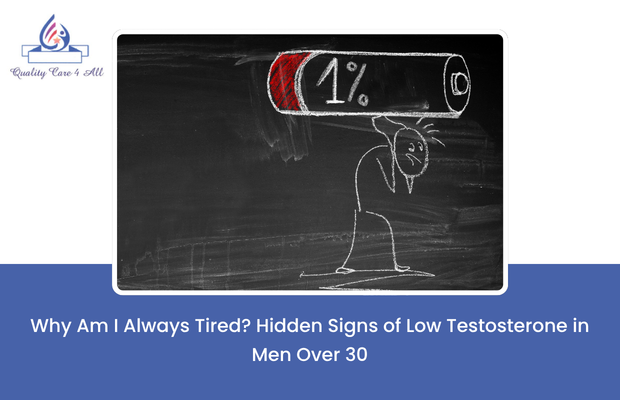
Feeling exhausted all the time isn’t just part of “getting older.” Many men in their 30s and 40s in Garland and across Texas struggle with constant fatigue, low motivation, brain fog, poor sleep, and stubborn weight gain without realizing hormones may be involved.
What makes it frustrating is that many men are told their labs are “normal,” even while they continue feeling physically and mentally drained every day. They may blame stress, work, parenting responsibilities, or lack of sleep — but in many cases, the real issue is deeper.
One of the most overlooked causes of chronic fatigue in men is low testosterone symptoms linked to hormonal imbalance, inflammation, stress, poor sleep, and metabolic dysfunction.
At Texans Health & Wellness, the goal is not just to mask symptoms. Functional and integrative medicine focuses on identifying why your energy levels have changed and creating a personalized plan to restore overall wellness.
What Is Testosterone and Why Does It Matter?
Testosterone is the primary male sex hormone, but its role goes far beyond sexual health.
Healthy testosterone levels help regulate:
- Energy production
- Muscle mass
- Mood stability
- Mental clarity
- Metabolism
- Fat distribution
- Bone strength
- Sleep quality
- Motivation and confidence
When hormone levels decline or become imbalanced, the effects can impact almost every system in the body.
While testosterone naturally decreases with age, modern lifestyle factors are causing many men to experience hormone-related symptoms much earlier than expected.
Common Low Testosterone Symptoms Men Often Ignore
Many men assume their symptoms are simply due to stress or aging. Unfortunately, this delay can allow hormonal imbalances to worsen over time.
Persistent Fatigue That Doesn’t Improve With Rest
One of the biggest warning signs is ongoing exhaustion.
You may:
- Wake up tired even after sleeping
- Rely heavily on caffeine
- Feel mentally drained by midday
- Lose motivation for workouts or hobbies
This connection between fatigue and low testosterone is extremely common, especially in men balancing demanding careers, family life, and chronic stress.
Brain Fog and Mental Burnout
Hormones influence cognitive performance more than most people realize.
Men experiencing brain fog hormonal imbalance symptoms may notice:
- Difficulty concentrating
- Memory lapses
- Reduced productivity
- Feeling mentally “slower”
- Increased irritability
In Garland and throughout Texas, many men attribute these issues to burnout without realizing hormone health may be contributing.
Weight Gain Around the Midsection
Low testosterone often changes how the body stores fat.
Many men notice:
- Increased belly fat
- Reduced muscle tone
- Difficulty losing weight despite dieting
- Slower metabolism
Hormonal imbalance can also increase insulin resistance, making weight management even harder.
This is one reason why functional medicine providers frequently evaluate hormones alongside metabolic health and nutrition patterns.
Reduced Strength and Exercise Recovery
Have your workouts stopped producing results?
Low testosterone may contribute to:
- Muscle loss
- Longer recovery times
- Reduced endurance
- Joint discomfort
- Declining physical performance
Even active men can experience these symptoms when hormone levels become disrupted by chronic stress, inflammation, or poor sleep quality.
Mood Changes and Low Motivation
Hormones affect emotional health too.
Many men with testosterone deficiency symptoms report:
- Increased anxiety
- Low confidence
- Mild depression
- Emotional numbness
- Irritability
Low testosterone may affect mood, sleep, and cognitive function in some men.
Unfortunately, emotional symptoms are often overlooked or misdiagnosed.
What Causes Male Hormone Imbalance?
Hormonal decline rarely happens for just one reason.
Functional medicine focuses on identifying the root causes contributing to symptoms.
Chronic Stress and High Cortisol
Long-term stress increases cortisol production.
When cortisol stays elevated:
- Testosterone production can decline
- Sleep quality worsens
- Inflammation increases
- Blood sugar becomes unstable
This creates a cycle of fatigue and hormonal dysfunction.
Poor Sleep Quality
Testosterone production occurs heavily during deep sleep.
Men with:
- Sleep apnea
- Insomnia
- Irregular schedules
- Excessive screen time
often experience worsening hormone imbalance over time.
Blood Sugar Imbalances
High sugar intake and insulin resistance can interfere with hormone regulation.
Men with prediabetes or metabolic dysfunction frequently experience:
- Energy crashes
- Increased abdominal fat
- Cravings
- Low energy
- Hormonal disruption
This is why comprehensive wellness evaluations often include glucose and metabolic testing.
Nutrient Deficiencies
Low levels of nutrients such as:
- Vitamin D
- Magnesium
- Zinc
- Omega-3 fatty acids
can negatively affect testosterone production and energy metabolism.
Inflammation and Gut Health
Chronic inflammation affects hormone signaling throughout the body.
Poor gut health may contribute to:
- Nutrient absorption issues
- Fatigue
- Brain fog
- Mood changes
- Immune dysfunction
Functional medicine providers often evaluate digestive health when symptoms seem unrelated or persistent.
Why Many Men Get “Normal” Lab Results But Still Feel Terrible
This is one of the biggest frustrations patients express.
Traditional healthcare models may only look at broad lab ranges instead of evaluating:
- Optimal hormone levels
- Lifestyle patterns
- Stress load
- Sleep quality
- Nutritional deficiencies
- Inflammatory markers
A man can technically fall within a “normal” range while still experiencing clear symptoms of imbalance.
Functional medicine takes a more personalized approach by evaluating the full picture instead of isolated numbers alone.
A Functional Medicine Approach to Low Energy Men in Texas
At Texans Health & Wellness, care focuses on understanding why symptoms are happening — not just covering them up temporarily.
Step 1: Comprehensive Consultation
Providers review:
- Energy levels
- Sleep quality
- Mood symptoms
- Weight changes
- Stress levels
- Medical history
- Lifestyle habits
Step 2: Advanced Testing and Evaluation
Depending on symptoms, testing may include:
- Hormone panels
- Blood sugar testing
- Thyroid evaluation
- Nutrient deficiency testing
- Inflammatory markers
- Ancillary testing
This deeper evaluation often reveals hidden contributors missed in standard screenings.
Step 3: Personalized Wellness Plan
Treatment plans may include:
- Nutrition support
- Weight loss management
- Sleep optimization
- Stress reduction strategies
- Exercise guidance
- Hormonal balance support
- IV therapy for nutrient replenishment
Every plan is customized based on the individual’s symptoms, goals, and lab findings.
Step 4: Ongoing Monitoring and Optimization
Hormonal health is dynamic.
Follow-up care helps:
- Track progress
- Adjust treatment strategies
- Improve long-term outcomes
- Prevent worsening symptoms
This patient-centered approach supports sustainable wellness instead of temporary symptom relief.
When Should You Seek Help for Low Testosterone Symptoms?
You should consider professional evaluation if you experience:
- Constant fatigue
- Low motivation
- Weight gain
- Brain fog
- Poor sleep
- Mood changes
- Reduced exercise performance
- Declining focus or productivity
The earlier underlying imbalances are identified, the easier they are often to address.
Ignoring symptoms may increase the risk of worsening metabolic health, insulin resistance, and chronic inflammation over time.
The Connection Between Hormones, Metabolism, and Overall Wellness
Hormones do not work independently.
Low testosterone often overlaps with:
- Stress overload
- Weight gain
- Diabetes risk
- Poor sleep
- Depression symptoms
- Nutritional deficiencies
That’s why a holistic, integrative healthcare approach can be especially beneficial for men dealing with multiple unexplained symptoms at once.
True wellness involves restoring balance across the entire body — not simply treating fatigue alone.
Final Thoughts
If you constantly feel exhausted, mentally foggy, unmotivated, or unable to lose weight despite your efforts, your body may be signaling a deeper hormonal issue.
Many men in Garland and throughout Texas live with untreated low testosterone symptoms for years before discovering the real cause behind their declining energy and wellness.
Functional medicine provides a more comprehensive path forward by looking beyond surface-level symptoms and focusing on personalized root-cause care.
With the right support, many men can improve energy, mental clarity, metabolism, sleep quality, and overall quality of life naturally and sustainably.
FAQs
Early signs often include fatigue, low motivation, brain fog, poor sleep, reduced muscle strength, and increased belly fat.
Yes. One of the most common low testosterone symptoms is persistent exhaustion that does not improve with rest or caffeine.
Testosterone levels can gradually decline after age 30, but stress, poor sleep, obesity, and inflammation may accelerate hormone imbalance.
Chronic stress increases cortisol, which may interfere with healthy testosterone production and contribute to fatigue and mood changes.
Functional medicine approaches may include nutrition support, stress management, sleep optimization, exercise guidance, targeted supplements, and personalized wellness plans.
Contact Us: Texans Health and Wellness in Texas