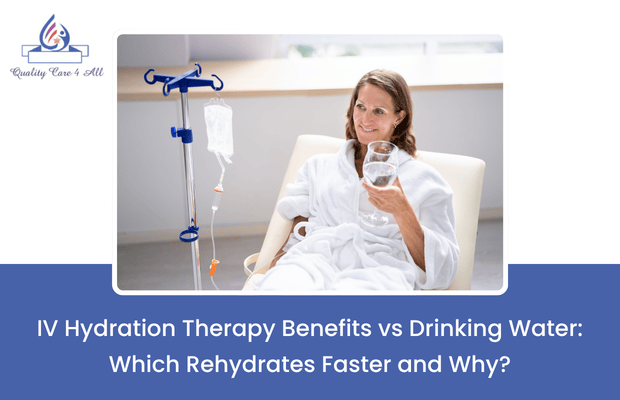
Have you ever spent an entire day drinking water yet still felt exhausted, lightheaded, or mentally foggy?
Many people in Garland and throughout the Dallas area assume that dehydration is solved simply by drinking more water. Yet some continue experiencing fatigue, headaches, muscle cramps, dry skin, or sluggish energy despite increasing their fluid intake.
This can be frustrating, especially when you’re trying to stay productive at work, keep up with family responsibilities, or recover after exercise, travel, illness, or a busy week.
Understanding how the body absorbs fluids can help explain why hydration isn’t always as straightforward as it seems. While drinking water remains essential for everyday health, there are situations where wellness-focused IV hydration may offer a more efficient way to restore fluids and electrolytes.
Let’s explore the differences between drinking water and IV hydration therapy, how each works, and when they may be appropriate for supporting overall wellness.
What Is IV Hydration Therapy?
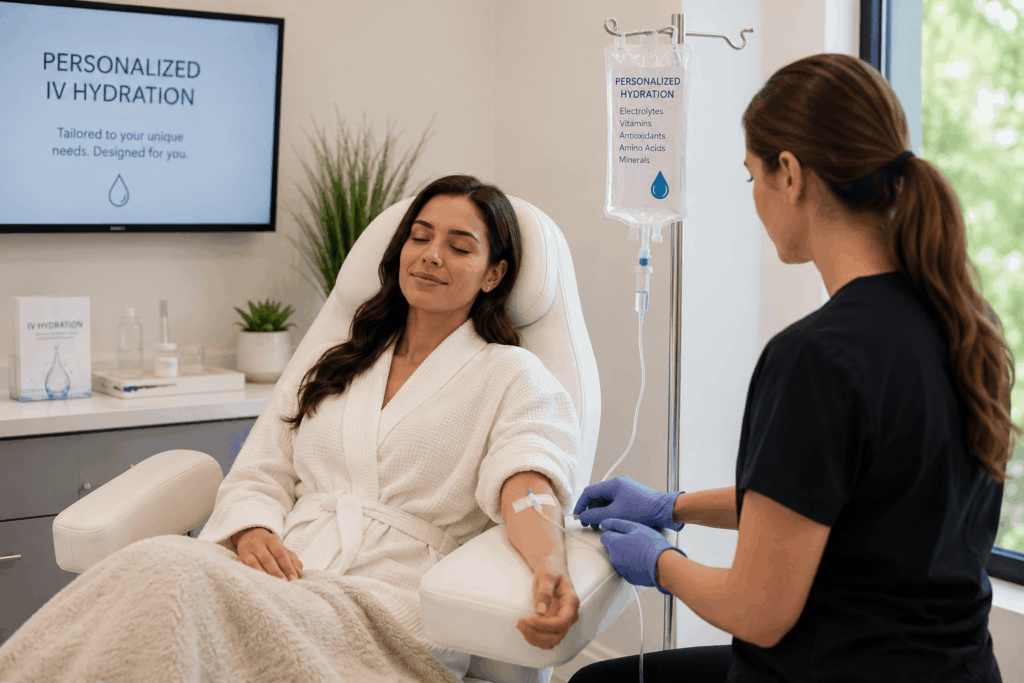
IV hydration therapy delivers fluids directly into the bloodstream through an intravenous line.
Unlike drinking water, which must travel through the digestive system before being absorbed, IV hydration bypasses digestion and provides fluids directly where the body can use them.
A wellness IV may contain:
- Hydrating fluids
- Electrolytes
- Vitamins
- Minerals
- Amino acids (depending on individual wellness goals)
Many people seek IV hydration after:
- Intense physical activity
- Travel-related fatigue
- Heat exposure
- Mild dehydration
- Recovery from illness
- Busy work schedules
- General wellness support
At wellness clinics throughout Garland, Dallas, Plano, McKinney, Richardson, and surrounding Texas communities, IV therapy has become increasingly popular among individuals looking to support energy, hydration, and recovery.
IV Hydration Therapy Benefits: Why Does It Work Faster?
One of the most discussed IV hydration therapy benefits is the speed of fluid delivery.
Short Answer
IV hydration typically rehydrates faster because fluids enter the bloodstream directly rather than passing through the digestive system first.
How Drinking Water Works
When you drink water, it must:
- Enter the stomach
- Move through the digestive tract
- Be absorbed by the intestines
- Enter circulation
- Reach tissues and cells
This process works well for routine hydration but can take time depending on:
- Digestive health
- Activity level
- Illness
- Fluid loss
- Individual metabolism
How IV Hydration Works
With IV hydration, fluids are delivered directly into circulation, allowing the body immediate access to hydration and electrolyte support.
This is why healthcare providers often use intravenous fluids in medical settings when rapid hydration is necessary.
For wellness-focused applications, IV hydration may help individuals who need efficient fluid replenishment under professional supervision.
Drinking Water Still Plays an Essential Role
It’s important to understand that IV hydration is not a replacement for daily water intake.
Water remains the foundation of healthy hydration.
Benefits of regular water consumption include:
- Supporting digestion
- Regulating body temperature
- Helping nutrient transport
- Supporting kidney function
- Maintaining healthy circulation
- Supporting cognitive performance
For most healthy individuals, drinking adequate water throughout the day remains the first and most important hydration strategy.
Signs Your Body May Need Better Hydration
Common Symptoms of Dehydration
People often overlook early signs of dehydration.
Common symptoms may include:
- Fatigue
- Brain fog
- Headaches
- Dry mouth
- Dizziness
- Muscle cramps
- Reduced exercise performance
- Dark-colored urine
- Increased thirst
Quick Answer: What Causes Dehydration?
Dehydration occurs when the body loses more fluids than it takes in. Common causes include excessive sweating, heat exposure, illness, vomiting, diarrhea, travel, strenuous exercise, and inadequate fluid intake.
Texas residents are particularly vulnerable during warmer months when temperatures can increase fluid loss significantly.
Why Electrolytes Matter More Than Many People Realize
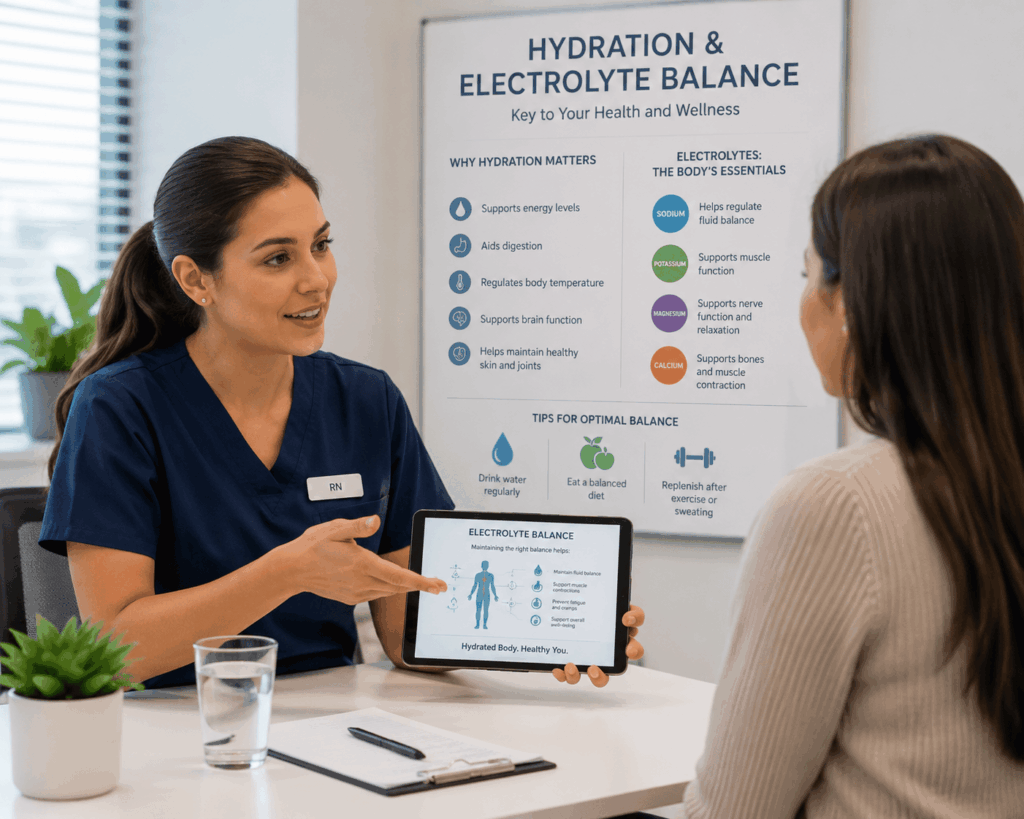
Hydration isn’t only about water.
Your body also relies on electrolytes to maintain proper fluid balance.
Important electrolytes include:
- Sodium
- Potassium
- Magnesium
- Calcium
- Chloride
These minerals help regulate:
- Nerve function
- Muscle contractions
- Fluid distribution
- Heart rhythm
- Energy production
What Is Electrolyte Therapy?
Electrolyte therapy involves replenishing essential minerals that support hydration and cellular function.
Both oral hydration solutions and certain IV hydration options may contain electrolytes to help restore balance after fluid loss.
Real-Life Scenario: Drinking Water May Not Always Be Enough
Imagine a busy Garland professional who spends hours outdoors during a Texas summer.
They drink several bottles of water throughout the day but continue feeling:
- Weak
- Headachy
- Fatigued
- Mentally drained
In some situations, the issue may not be water alone. Excessive sweating can result in the loss of both fluids and electrolytes.
This illustrates why hydration strategies should be personalized rather than based solely on increasing water intake.
When Might Someone Consider a Wellness IV?
Quick Answer: When Should You Seek Hydration Support?
You should consider professional evaluation if symptoms of dehydration persist despite adequate fluid intake, especially if accompanied by dizziness, fatigue, headaches, or reduced physical performance.
Individuals may explore wellness IV services for:
- Travel recovery
- Athletic recovery
- Heat-related fatigue
- Busy lifestyles
- Wellness optimization goals
- Mild dehydration support
- Nutrient supplementation plans
A healthcare provider can help determine whether IV hydration or another approach is appropriate for your specific situation.
A Functional and Integrative Perspective on Hydration
Functional and integrative healthcare often looks beyond symptoms alone.
Instead of asking only:
“How do we fix dehydration?”
Providers may also ask:
- Why is dehydration recurring?
- Are nutritional deficiencies contributing?
- Is stress affecting recovery?
- Is poor sleep impacting energy levels?
- Are digestive issues affecting nutrient absorption?
- Is metabolic health influencing hydration status?
This root-cause perspective helps create more comprehensive wellness strategies rather than focusing on temporary symptom relief alone.
Can Functional Medicine Help Support Hydration Concerns?
Functional medicine may help identify underlying lifestyle, nutritional, metabolic, or digestive factors that contribute to recurring fatigue, low energy, or hydration-related concerns.
IV Hydration vs Drinking Water: A Side-by-Side Comparison
| Factor | Drinking Water | IV Hydration |
| Delivery Method | Digestive system | Direct bloodstream delivery |
| Speed of Absorption | Gradual | Faster |
| Everyday Hydration | Excellent | Not typically necessary |
| Electrolyte Support | Depends on beverage | Can be included |
| Convenience | Easy and accessible | Requires professional administration |
| Wellness Applications | Daily hydration | Targeted hydration support |
Both approaches have value.
The right option depends on individual circumstances, symptoms, and wellness goals.
Supporting Hydration Naturally Every Day
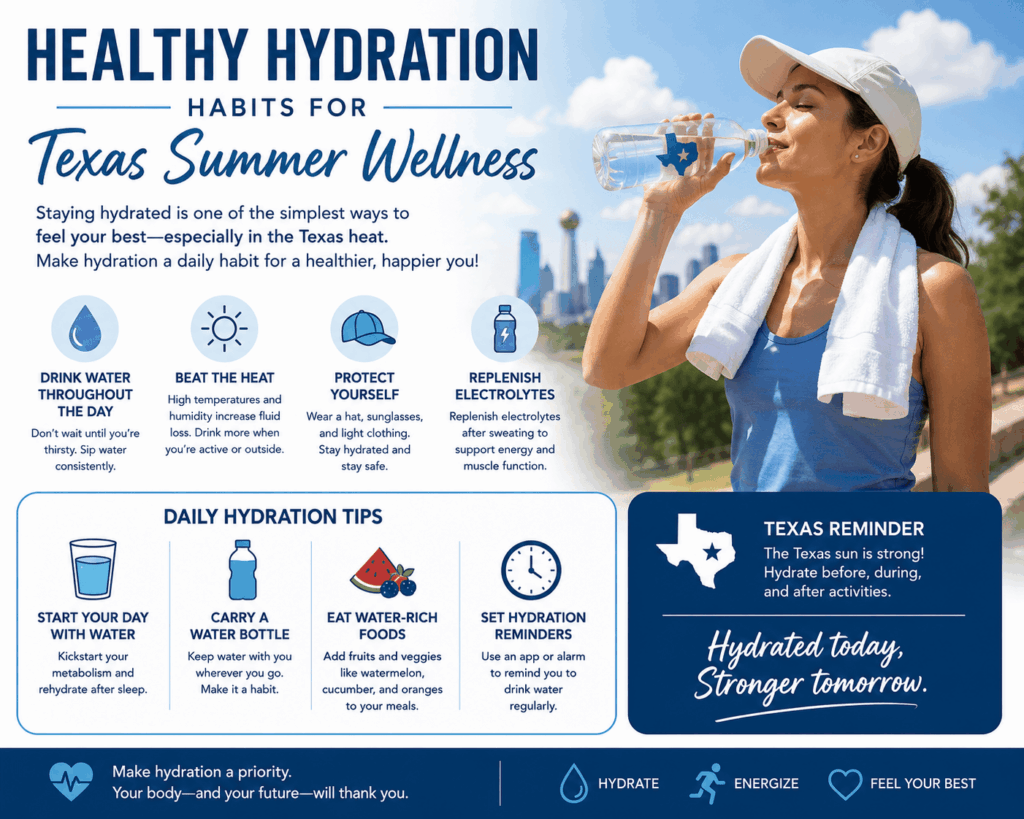
Whether or not someone pursues IV hydration, healthy daily habits remain essential.
Practical Wellness Tips
1. Hydrate Consistently
Don’t wait until you’re thirsty.
Drink water steadily throughout the day.
2. Include Electrolyte-Rich Foods
Consider foods such as:
- Bananas
- Leafy greens
- Avocados
- Yogurt
- Coconut water
3. Prioritize Sleep
Poor sleep can contribute to fatigue that is often mistaken for dehydration.
4. Support Metabolic Health
Balanced blood sugar levels can help support overall energy and wellness.
5. Manage Stress
Chronic stress may affect recovery, energy levels, and overall well-being.
6. Seek Personalized Guidance
Every person has unique health needs, activity levels, and wellness goals.
What Does the IV Hydration Process Typically Look Like?
How Does Treatment Work?
A typical wellness IV process may include:
- Health consultation and assessment
- Discussion of symptoms and goals
- Personalized hydration recommendations
- Administration by trained healthcare professionals
- Monitoring throughout the session
- Follow-up wellness guidance when appropriate
This personalized approach helps ensure hydration support aligns with individual needs and health considerations.
Frequently Asked Questions
Yes. IV hydration delivers fluids directly into the bloodstream, which generally allows for faster fluid replacement than drinking water.
Common IV hydration therapy benefits may include efficient fluid delivery, electrolyte support, wellness recovery support, and personalized hydration solutions.
Fatigue can have many causes. If dehydration contributes to fatigue, restoring fluid balance may help support recovery. A healthcare evaluation is important for persistent symptoms.
Absolutely. Drinking water remains the foundation of healthy hydration and overall wellness.
Common signs include thirst, headaches, fatigue, dry mouth, dizziness, muscle cramps, and dark urine.
IV hydration focuses on fluid delivery, while electrolyte therapy emphasizes replenishing important minerals that help regulate hydration and body function.
Some athletes explore wellness IV options as part of their recovery strategies, particularly after significant fluid loss. Individual needs vary.
Individuals in Garland and nearby communities such as Dallas, Richardson, Plano, Allen, Frisco, and McKinney can consult qualified healthcare providers who offer personalized hydration and wellness services.
Supporting Long-Term Wellness Through Personalized Care
Hydration is more complex than simply drinking more water. While daily water intake remains essential, some situations may call for a more targeted approach to fluid and electrolyte support.
Understanding the differences between drinking water and IV hydration empowers you to make informed decisions about your health and wellness. If persistent fatigue, dehydration concerns, or recovery challenges continue affecting your quality of life, a personalized evaluation may help identify contributing factors and appropriate solutions.
At Texans Health & Wellness, patient-centered care focuses on understanding the bigger picture of your health—not just addressing symptoms. By combining evidence-based wellness strategies with individualized care, our team helps patients throughout Garland and surrounding Texas communities work toward lasting wellness and improved quality of life.
Contact Us: Texans Health and Wellness in Texas