
Healthcare is no longer just about treating illness after symptoms become severe. Today, the focus is shifting toward prevention, early diagnosis, and personalized care. One of the most effective ways to achieve these goals is through ancillary testing, which gives healthcare providers valuable insights into your overall health before conditions become more serious.
Whether you’re experiencing unexplained dizziness, fatigue, allergies, heart-related symptoms, or simply want a better understanding of your health, ancillary testing can provide answers that routine physical exams may not reveal.
At Texans Health and Wellness Center, patients receive comprehensive Ancillary Testing in Texas designed to identify underlying health concerns and support personalized treatment plans. Using advanced diagnostic technology and patient-centered care, the medical team helps individuals throughout Garland, Dallas, Fort Worth, and surrounding Texas communities make informed decisions about their health.
Instead of relying solely on symptoms, ancillary diagnostic services allow healthcare providers to evaluate important body systems, detect potential problems early, and recommend targeted treatment options that promote long-term wellness.
In this guide, you’ll learn:
- What ancillary testing is
- Why it plays an essential role in preventive healthcare
- Types of diagnostic tests available
- Who should consider testing
- How early disease detection improves outcomes
- What to expect during your appointment
- Why Texans Health and Wellness Center is a trusted provider for diagnostic healthcare services in Texas
What is ancillary testing? Ancillary testing refers to specialized diagnostic procedures that support primary medical evaluations by providing additional information about your body’s systems. These tests help healthcare providers detect diseases early, identify underlying health conditions, guide personalized treatment plans, and improve preventive healthcare outcomes through comprehensive health assessments.
What Is Ancillary Testing?
Ancillary testing refers to specialized medical diagnostic testing that provides additional clinical information beyond a standard physical examination. These tests help healthcare professionals evaluate specific body systems, confirm suspected conditions, monitor chronic diseases, and identify health risks before symptoms become severe.
Unlike routine checkups that focus on your general health, ancillary testing offers a more detailed evaluation of how your heart, nervous system, balance, immune system, and other vital functions are performing.
Healthcare providers often recommend laboratory testing services and other diagnostic procedures when patients experience unexplained symptoms or when preventive screening may identify hidden medical conditions.
Examples include:
- Echocardiograms
- Balance testing
- Autonomic Nervous System (ANS) testing
- Allergy testing
- Allergy immunotherapy evaluations
Together, these diagnostic healthcare services provide valuable information that helps healthcare professionals create personalized treatment plans based on each patient’s unique health needs.
It is important to remember that testing recommendations vary depending on age, symptoms, family history, and existing medical conditions. Your healthcare provider will determine which tests are appropriate for you.
Why Is Ancillary Testing Important?
Many serious health conditions develop gradually and may not cause noticeable symptoms during their early stages. By the time symptoms appear, treatment can become more complex.
That’s why preventive healthcare testing has become an essential part of modern medicine.
Ancillary testing allows healthcare providers to:
- Detect health conditions early
- Identify underlying causes of symptoms
- Evaluate multiple body systems
- Monitor chronic diseases
- Reduce unnecessary treatments
- Improve diagnostic accuracy
- Support preventive healthcare decisions
- Develop personalized care plans
For example, persistent dizziness may seem like a simple inner ear issue. However, Balance Testing combined with ANS Testing may reveal neurological or autonomic dysfunction requiring a completely different treatment approach.
Likewise, recurring fatigue could be related to cardiovascular health, allergies, or nervous system abnormalities rather than lifestyle factors alone.
The earlier these conditions are identified, the better the opportunity to manage them effectively.
Why Early Diagnosis Matters
Research consistently shows that early disease detection can improve treatment outcomes for many chronic conditions.
Early diagnosis may help:
- Prevent complications
- Improve quality of life
- Reduce healthcare costs
- Support healthier aging
- Allow less invasive treatment options
- Improve long-term wellness
Rather than waiting until symptoms worsen, many adults now choose comprehensive health screening as part of their routine preventive care.
✔ Schedule Your Health Screening Today
If you’ve been experiencing unexplained symptoms or simply want a proactive approach to your health, comprehensive ancillary testing can provide valuable insights. Learn more about the available Medical Services and explore the right testing options for your needs.
How Ancillary Diagnostic Services Improve Healthcare
Healthcare providers rely on more than symptoms alone when making medical decisions.
Ancillary diagnostic services provide objective clinical data that supports more accurate diagnoses and personalized treatment strategies.
These services improve healthcare by helping providers:
1. Identify the Root Cause
Symptoms like fatigue, dizziness, chest discomfort, or allergic reactions often have multiple possible causes.
Diagnostic testing helps narrow down the underlying issue instead of simply treating symptoms.
2. Personalize Treatment
Every patient has unique health needs.
Results from medical diagnostic testing allow healthcare providers to develop individualized treatment plans based on measurable clinical findings rather than assumptions.
3. Monitor Existing Conditions
Patients with chronic illnesses often require ongoing monitoring.
Ancillary testing helps providers evaluate whether treatments are working and whether adjustments are needed over time.
4. Support Preventive Healthcare
One of the greatest benefits of ancillary testing is prevention.
Rather than waiting for disease progression, healthcare providers can detect subtle abnormalities that may indicate future health risks.
This proactive approach aligns with modern diagnostic testing for preventive care, helping patients stay healthier over the long term.
5. Improve Clinical Decision-Making
Comprehensive diagnostic information enables providers to make more informed recommendations regarding:
- Lifestyle modifications
- Further evaluations
- Medication management
- Specialist referrals
- Preventive care strategies
This results in more confident medical decisions and better patient outcomes.
✔ Discover the Root Cause of Your Symptoms
If you’ve been dealing with persistent dizziness, unexplained fatigue, allergies, or other ongoing concerns, professional Ancillary Testing in Texas can help uncover what’s happening beneath the surface. The experienced team at Texans Health and Wellness Center takes a personalized approach to identifying potential health issues before they become more serious.
Types of Ancillary Testing Offered
Echocardiogram
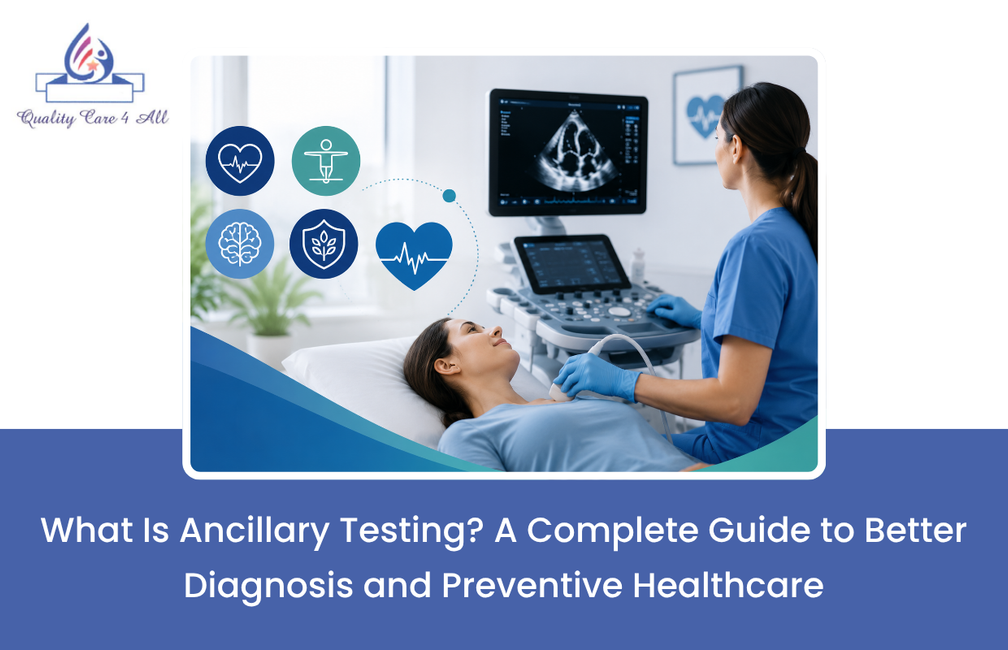
An echocardiogram is a non-invasive ultrasound examination that provides detailed images of your heart’s structure and function.
It allows healthcare providers to evaluate how well your heart is pumping, assess heart valves, measure blood flow, and detect structural abnormalities.
Because it uses sound waves rather than radiation, the procedure is safe, painless, and commonly used in both diagnostic and preventive care.
Purpose
An echocardiogram helps evaluate:
- Heart muscle function
- Heart valve performance
- Blood flow through the heart
- Heart chamber size
- Congenital heart abnormalities
- Signs of heart failure
It plays an important role in comprehensive health screening, especially for patients with cardiovascular risk factors.
Who Needs an Echocardiogram?
Your healthcare provider may recommend an echocardiogram if you have:
- Chest discomfort
- Shortness of breath
- Heart murmurs
- High blood pressure
- Family history of heart disease
- Irregular heartbeat
- Swelling in the legs
- Ongoing fatigue
Adults interested in preventive heart health may also benefit from testing based on their medical history and risk factors.
Benefits
An echocardiogram offers several advantages:
- Early identification of heart problems
- Accurate assessment of cardiac function
- Non-invasive evaluation
- No recovery time
- Helps guide treatment decisions
- Supports long-term cardiovascular wellness
What to Expect
During the procedure:
- You’ll lie comfortably on an examination table.
- A technician applies warm gel to your chest.
- A handheld ultrasound device captures images of your heart.
- The test usually takes between 30 and 60 minutes.
- Most patients can resume normal activities immediately afterward.
The results help your healthcare provider determine whether additional testing or treatment is necessary.
✔ Book Your Ancillary Testing Appointment
Taking a proactive approach to your health starts with the right diagnostic information. Whether you’re seeking preventive healthcare testing or evaluating ongoing symptoms, scheduling an appointment can help you better understand your overall health and receive personalized recommendations.
Balance Testing
Feeling dizzy, unsteady, or prone to falls is not a normal part of aging. Balance problems can stem from a variety of conditions affecting the inner ear, nervous system, muscles, vision, or brain.
Balance testing is designed to identify the underlying cause of these symptoms so that appropriate treatment can be recommended.
Rather than guessing why balance issues occur, this specialized evaluation provides objective information about how your body’s balance systems are functioning.
Causes of Balance Problems
Balance problems can develop for many reasons, and identifying the exact cause is essential for proper treatment. Common causes include:
- Inner ear disorders
- Vertigo
- Vestibular dysfunction
- Neurological conditions
- Low blood pressure
- Medication side effects
- Vision problems
- Muscle weakness
- Age-related balance changes
- Head injuries
Many of these conditions produce similar symptoms, making medical diagnostic testing an important part of finding the correct diagnosis.
Conditions Balance Testing Can Help Identify
Balance testing may help healthcare providers evaluate conditions such as:
- Benign Paroxysmal Positional Vertigo (BPPV)
- Vestibular neuritis
- Ménière’s disease
- Peripheral neuropathy
- Parkinson’s disease
- Stroke-related balance issues
- Concussion-related dizziness
- Age-related vestibular disorders
Since dizziness can also be linked to cardiovascular or autonomic nervous system disorders, healthcare providers may recommend additional testing for a more complete evaluation.
Benefits of Balance Testing
Balance testing provides several important benefits:
- Identifies the underlying cause of dizziness
- Reduces the risk of falls
- Improves mobility and confidence
- Supports personalized treatment plans
- Helps monitor recovery over time
- Enhances overall quality of life
If you frequently feel dizzy, unsteady, or experience unexplained falls, professional evaluation may help identify the reason before symptoms worsen.
Autonomic Nervous System (ANS) Testing
The Autonomic Nervous System (ANS) controls many of the body’s automatic functions without conscious effort. Because these functions occur continuously, problems with the ANS can affect multiple organs and body systems.
What Does the ANS Control?
The autonomic nervous system regulates:
- Heart rate
- Blood pressure
- Digestion
- Body temperature
- Sweating
- Breathing patterns
- Bladder function
- Blood circulation
When this system is not functioning properly, patients may experience symptoms that are difficult to explain through routine examinations alone.
Common Symptoms of ANS Dysfunction
Healthcare providers may recommend ANS testing if you experience:
- Frequent dizziness
- Fainting episodes
- Rapid heartbeat
- Irregular blood pressure
- Chronic fatigue
- Excessive sweating
- Digestive problems
- Exercise intolerance
- Brain fog
Conditions ANS Testing May Help Identify
ANS testing can assist healthcare providers in evaluating conditions such as:
- Autonomic neuropathy
- Dysautonomia
- Postural Orthostatic Tachycardia Syndrome (POTS)
- Diabetic autonomic neuropathy
- Orthostatic hypotension
- Certain cardiovascular disorders
Although ANS testing does not diagnose every condition independently, it provides valuable clinical information that supports a comprehensive evaluation.
Benefits of ANS Testing
Benefits include:
- More accurate diagnosis
- Better understanding of unexplained symptoms
- Personalized treatment recommendations
- Improved symptom management
- Ongoing monitoring of autonomic function
✔ Discover the Root Cause of Your Symptoms
Persistent fatigue, dizziness, or unexplained health concerns deserve professional evaluation. At Texans Health and Wellness Center, advanced diagnostic testing helps uncover underlying causes so your care plan is based on accurate clinical information rather than symptoms alone.
Allergy Testing & Allergy Immunotherapy
Millions of Americans experience allergies that affect daily life. While some symptoms are mild, untreated allergies can lead to chronic discomfort, sleep disturbances, recurring sinus infections, and reduced quality of life.
Comprehensive allergy evaluations help identify triggers so patients can receive targeted treatment.
Food Allergies
Food allergies occur when the immune system mistakenly reacts to certain foods.
Common food allergens include:
- Milk
- Eggs
- Peanuts
- Tree nuts
- Soy
- Wheat
- Fish
- Shellfish
Symptoms may include:
- Hives
- Swelling
- Digestive upset
- Difficulty breathing
- Skin rashes
Proper testing helps distinguish true food allergies from food sensitivities or intolerances.
Environmental Allergies
Environmental allergies are triggered by substances commonly found in everyday surroundings.
These may include:
- Pollen
- Dust mites
- Mold
- Pet dander
- Grass
- Trees
- Weeds
Symptoms often include:
- Sneezing
- Runny nose
- Itchy eyes
- Nasal congestion
- Chronic sinus irritation
Identifying specific triggers allows healthcare providers to recommend personalized management strategies.
Allergy Immunotherapy
For some patients, allergy immunotherapy may be recommended.
This treatment gradually exposes the immune system to carefully controlled amounts of allergens with the goal of reducing sensitivity over time.
Depending on the patient’s needs, immunotherapy may help reduce:
- Allergy symptoms
- Medication dependence
- Seasonal flare-ups
- Long-term allergic reactions
Treatment recommendations are individualized and based on clinical evaluation.
Long-Term Benefits
Allergy testing and immunotherapy may provide benefits such as:
- Improved quality of life
- Better symptom control
- Fewer allergy flare-ups
- Reduced reliance on medications
- Better sleep
- Improved breathing
- Increased daily comfort
Who Should Get Ancillary Testing?
Ancillary testing is not only for people with chronic illnesses. Many adults benefit from preventive healthcare testing, especially when symptoms are unclear or risk factors are present.
You may benefit if you:
- Experience unexplained dizziness
- Have chest discomfort
- Have ongoing fatigue
- Have frequent headaches
- Experience allergies
- Have balance problems
- Have high blood pressure
- Have diabetes
- Have a family history of heart disease
- Have unexplained fainting
- Want a comprehensive health evaluation
- Are interested in early disease detection
Residents seeking Ancillary Testing in Garland, Dallas, Fort Worth, and surrounding communities can discuss appropriate testing with a qualified healthcare professional.
✔ Schedule Your Comprehensive Health Screening
Proactive healthcare starts with understanding your body. Whether you’re managing chronic symptoms or focusing on prevention, comprehensive diagnostic testing can help you make informed health decisions.
Benefits of Preventive Healthcare Testing
Preventive healthcare focuses on identifying potential health concerns before they become serious.
Some of the most valuable benefits include:
- Earlier diagnosis
- Improved treatment planning
- Better long-term health outcomes
- Reduced healthcare costs
- More personalized care
- Better monitoring of chronic diseases
- Greater peace of mind
Routine health screening tests often reveal conditions before noticeable symptoms develop.
Ancillary Testing vs Traditional Medical Exams
| Feature | Ancillary Testing | Traditional Medical Exam |
|---|---|---|
| Focus | Specific body systems | General health assessment |
| Diagnostic Depth | Detailed evaluation | Basic evaluation |
| Technology | Advanced diagnostic equipment | Standard examination |
| Detects Hidden Conditions | Yes | Limited |
| Preventive Healthcare | Strong focus | Moderate focus |
| Personalized Treatment Planning | Extensive | General recommendations |
| Early Disease Detection | Excellent | Limited without additional testing |
| Recommended For | Ongoing symptoms, risk factors, preventive screening | Annual wellness visits |
Both approaches are valuable and often work together to provide a complete picture of your health.
How Ancillary Testing Supports Early Disease Detection
Many serious medical conditions begin quietly.
Because symptoms may not appear until later stages, diagnostic testing for preventive care plays an important role in modern healthcare.
Ancillary testing may help identify:
- Cardiovascular abnormalities
- Balance disorders
- Nervous system dysfunction
- Allergic conditions
- Chronic disease complications
Early identification often allows healthcare providers to recommend lifestyle changes, additional evaluations, or treatment before complications develop.
While no screening test can detect every disease, appropriate testing based on individual health needs can significantly improve clinical decision-making.
What Happens During Your Appointment?
At Texans Health and Wellness Center, your appointment begins with a detailed discussion about your medical history, symptoms, lifestyle, and health goals.
Depending on your needs, your visit may include:
- Medical history review
- Physical examination
- Discussion of symptoms
- Recommended ancillary testing
- Performance of selected diagnostic tests
- Review of results
- Personalized treatment recommendations
- Follow-up care if needed
Testing recommendations vary for every patient based on clinical findings.
Why Choose Texans Health and Wellness Center?
Choosing the right healthcare provider is just as important as choosing the right diagnostic test.
At Texans Health and Wellness Center, patients receive compassionate, evidence-based care focused on long-term wellness.
Patients choose the practice because of its commitment to:
Personalized Care
Every treatment plan is tailored to the individual’s health history, symptoms, and goals.
Advanced Diagnostic Equipment
Modern technology supports accurate evaluations and comprehensive health assessments.
Comprehensive Health Screening
Multiple body systems can be evaluated to provide a more complete understanding of your health.
Experienced Healthcare Professionals
The team uses current clinical practices and evidence-based recommendations to guide patient care.
Patient-Centered Approach
Patients are actively involved in understanding their results and making informed healthcare decisions.
Dr. Jaye Krubally
Under the leadership of Dr. Jaye Krubally, the practice emphasizes preventive healthcare, personalized medicine, and comprehensive diagnostic evaluations that support long-term wellness.
Whether you are looking for Ancillary Testing in Texas, diagnostic healthcare services in Texas, or a comprehensive health screening, the team is committed to helping you better understand your health.
Real-Life Patient Example
A 52-year-old patient visited the clinic after experiencing occasional dizziness, fatigue, and shortness of breath. Routine examinations had not identified a clear cause.
Following a personalized evaluation, the healthcare provider recommended an echocardiogram along with autonomic nervous system testing.
The echocardiogram showed changes in heart function that required further evaluation, while the ANS test suggested autonomic dysfunction contributing to the patient’s symptoms.
With these findings, the care team developed an individualized treatment plan that included lifestyle modifications, specialist follow-up, and ongoing monitoring. Over the following months, the patient’s symptoms improved, and the earlier diagnosis allowed appropriate management before more serious complications developed.
This example is provided for educational purposes. Individual results vary, and every patient’s health needs are unique.
Frequently Asked Questions
Ancillary testing includes specialized diagnostic procedures that provide additional information beyond a routine medical examination, helping healthcare providers diagnose conditions and develop personalized treatment plans.
Coverage varies depending on your insurance plan and the specific tests ordered. Contact your insurance provider or healthcare clinic for details.
Some tests may require a healthcare provider’s recommendation, while others may be available as part of a comprehensive health evaluation.
Most ancillary tests, including echocardiograms and balance testing, are non-invasive and cause little to no discomfort.
The length of testing depends on the type of evaluation. Many tests can be completed within 30 to 60 minutes.
Adults with chronic conditions, unexplained symptoms, family histories of disease, or those interested in proactive healthcare may benefit from testing.
Certain tests, such as echocardiograms, can help evaluate heart structure and function. Your healthcare provider will determine the appropriate tests based on your medical history.
ANS testing may help assess autonomic dysfunction, orthostatic hypotension, diabetic autonomic neuropathy, and other disorders affecting automatic body functions.
Allergy immunotherapy gradually exposes the immune system to controlled amounts of allergens to help reduce allergic responses over time.
Texans Health and Wellness Center provides comprehensive ancillary testing services for patients in Garland, Dallas, Fort Worth, and surrounding Texas communities.
Conclusion
Ancillary testing is an essential part of modern healthcare because it helps healthcare providers look beyond routine examinations and gain a deeper understanding of your overall health. From evaluating heart function and balance disorders to assessing nervous system health and identifying allergies, these advanced diagnostic services support more accurate diagnoses and personalized treatment plans.
When combined with preventive healthcare, ancillary testing can contribute to early disease detection, improve long-term health outcomes, and empower patients to make informed decisions about their well-being. Since every individual’s health needs are different, testing recommendations should always be based on a thorough evaluation by a qualified healthcare professional.
If you are experiencing unexplained symptoms or simply want a proactive approach to your health, comprehensive diagnostic testing may be an important next step.
Take Control of Your Health Today
Don’t wait for symptoms to become more serious. Whether you’re interested in comprehensive health screening, diagnostic healthcare services in Texas, or Ancillary Testing in Garland, Dallas, or Fort Worth, the experienced team at Texans Health and Wellness Center is here to help.
Schedule your appointment today, book a comprehensive health screening, and start your preventive healthcare journey with personalized care designed around your unique health needs.
Contact Us: Texans Health and Wellness in Texas