
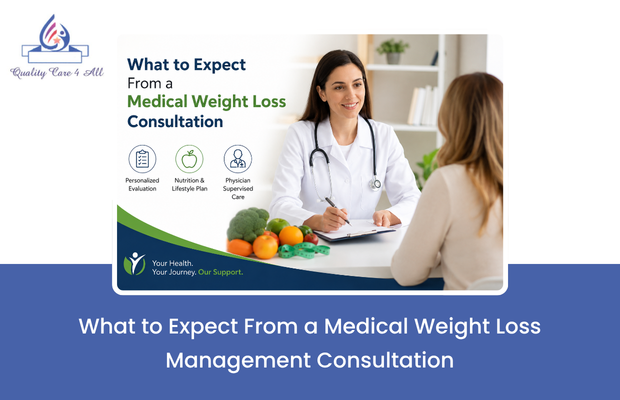
A weight loss management consultation is a comprehensive medical evaluation that helps determine the safest and most effective way to achieve healthy, long-term weight loss. During the visit, a qualified weight loss doctor reviews your medical history, lifestyle, body measurements, and health goals to create a personalized treatment plan that may include nutrition counseling, physician supervised weight loss, lifestyle changes, and appetite control medication when medically appropriate.
Introduction
Losing weight is rarely as simple as eating less and exercising more. Many people spend years trying popular diets, workout programs, and weight-loss supplements only to regain the weight they worked so hard to lose.
If this sounds familiar, you’re not alone.
Weight gain can be influenced by many factors, including genetics, hormones, medications, stress, poor sleep, underlying medical conditions, and lifestyle habits. That’s why a personalized weight loss management program often provides better long-term success than one-size-fits-all dieting.
Unlike commercial diet plans, a medically supervised approach focuses on understanding why you’re struggling to lose weight. Your healthcare provider evaluates your overall health, identifies barriers to weight loss, and develops a customized plan that fits your body, goals, and lifestyle.
Whether you’re searching for a weight loss clinic near me, looking for a trusted weight loss doctor, or considering a medical weight loss program, understanding what happens during your first consultation can help you feel prepared and confident.
At Texans Health and Wellness Center, patients receive compassionate, physician-guided care designed to promote safe, sustainable, and healthy weight loss through personalized treatment plans.
What Is Medical Weight Loss Management?
Weight loss management is a physician-guided approach that helps individuals lose weight safely while improving their overall health.
Instead of following restrictive diets or trendy weight-loss products, a medical Weight Loss Management program begins with understanding your unique health profile.
Your provider evaluates factors such as:
- Medical history
- Current medications
- Lifestyle habits
- Metabolism
- Body mass index (BMI)
- Existing medical conditions
- Previous weight-loss attempts
Based on this information, a personalized treatment plan is developed to help you achieve realistic and sustainable results.
How Medical Weight Loss Differs From Commercial Diet Programs
| Medical Weight Loss | Commercial Diet Programs |
|---|---|
| Physician supervised | Usually self-directed |
| Personalized treatment | One-size-fits-all plans |
| Medical evaluation | Little or no health assessment |
| Evidence-based recommendations | Trend-based approaches |
| Regular monitoring | Limited accountability |
| Long-term weight management | Often focuses on rapid weight loss |
A medically supervised program also prioritizes your overall wellness by addressing health conditions that may contribute to weight gain.
Benefits of Physician Supervised Weight Loss
A physician supervised program can help:
- Improve overall health
- Reduce obesity-related risks
- Build healthier habits
- Increase accountability
- Monitor progress safely
- Support long-term weight management
✔ Schedule Your Weight Loss Consultation
Learn more about Medical Services and discover how personalized care can support your long-term health goals.
Who Can Benefit From a Medical Weight Loss Program?
Many adults believe medical weight loss is only for severe obesity.
In reality, many people can benefit from professional guidance.
A medical weight loss consultation may be appropriate for individuals who:
Adults With Overweight or Obesity
People with excess body weight often face increased risks of chronic diseases. Early intervention can improve overall health before complications develop.
Individuals With Diabetes or Prediabetes
Weight management may improve blood sugar control when combined with appropriate medical care.
High Blood Pressure
Healthy weight loss may help reduce cardiovascular risk factors under medical supervision.
High Cholesterol
Nutrition counseling and lifestyle modifications often play an important role in improving cholesterol levels.
Hormonal Imbalances
Conditions affecting hormones may contribute to unexpected weight gain or difficulty losing weight.
When medically appropriate, additional evaluation may help identify underlying causes.
Slow Metabolism
A comprehensive evaluation can identify lifestyle or medical factors affecting metabolism and energy balance.
Difficulty Losing Weight Despite Diet and Exercise
Many patients have already tried:
- Keto diets
- Low-carb diets
- Intermittent fasting
- Weight-loss supplements
- Gym memberships
If traditional approaches haven’t worked, individualized medical guidance may provide a more effective strategy.
✔ Meet With a Weight Loss Doctor
If you’re looking for Medical Weight Loss in Texas, a personalized consultation can help identify the safest path toward healthy, sustainable results.
What Happens During Your First Weight Loss Consultation?
Your first appointment is designed to understand your health—not judge your past.
A comprehensive consultation allows your provider to identify the factors affecting your weight and create a plan tailored to your needs.
1. Medical History Review
Your healthcare provider will discuss:
- Previous illnesses
- Surgical history
- Family medical history
- Existing health conditions
- Previous weight-loss attempts
This information helps ensure your treatment plan is both safe and effective.
2. Current Medications
Some medications may influence appetite, metabolism, or weight.
Your provider will review:
- Prescription medications
- Vitamins
- Herbal supplements
- Over-the-counter medications
This step helps avoid interactions and identify possible contributors to weight changes.
3. Lifestyle Assessment
Daily habits have a significant impact on long-term weight management.
Topics often include:
- Work schedule
- Activity level
- Eating patterns
- Screen time
- Smoking
- Alcohol consumption
The goal is to create realistic recommendations that fit your lifestyle.
4. Eating Habits
Rather than recommending restrictive dieting, your provider wants to understand your current nutrition.
You may discuss:
- Meal timing
- Portion sizes
- Snack frequency
- Restaurant meals
- Sugar intake
- Beverage choices
These insights support the development of a realistic personalized weight loss plan.
5. Exercise Habits
Your provider will ask about:
- Walking
- Cardio
- Strength training
- Daily movement
- Previous injuries
Exercise recommendations are adjusted according to your fitness level and medical history.
6. Sleep Quality
Poor sleep is associated with changes in hunger hormones and may affect weight management.
Questions may include:
- Average sleep duration
- Snoring
- Fatigue
- Sleep schedule
Improving sleep can be an important part of healthy weight loss.
7. Stress Levels
Chronic stress may contribute to emotional eating and make weight loss more challenging.
Your provider may discuss:
- Work stress
- Family responsibilities
- Anxiety
- Coping habits
Behavioral strategies can help support healthier long-term habits.
8. Weight History
Understanding your weight journey helps identify patterns.
You may discuss:
- Highest adult weight
- Lowest adult weight
- Recent weight changes
- Previous successful strategies
- Factors contributing to weight regain
9. Body Mass Index (BMI) Calculation
Your provider will calculate your Body Mass Index (BMI) using your height and weight.
While BMI is only one health measurement, it provides helpful information when combined with other clinical findings.
Additional body measurements may also be recorded.
10. Goal Setting
Healthy goals are realistic—not extreme.
Instead of focusing only on the number on the scale, your provider may help you set goals such as:
- Improved energy
- Better blood sugar control
- Reduced blood pressure
- Increased mobility
- Better sleep
- Sustainable healthy habits
- Long-term weight management
Together, you’ll develop a plan that aligns with your health priorities and lifestyle.
✔ Start Your Personalized Weight Loss Plan
Explore Weight Loss Management in Texas to learn how physician-guided care supports lasting success.
What Tests May Be Recommended?
Every patient is different, so testing is based on individual medical history and clinical findings.
Your provider may recommend one or more of the following evaluations:
Blood Pressure Measurement
High blood pressure often occurs alongside excess body weight. Monitoring it helps assess cardiovascular health and guide treatment decisions.
Body Mass Index (BMI)
BMI provides a starting point for evaluating weight status. It is considered alongside other measurements rather than used alone.
Body Measurements
Your provider may record:
- Waist circumference
- Hip measurements
- Weight
- Height
Tracking these measurements over time offers a clearer picture of progress than the scale alone.
Blood Glucose Testing
If you have risk factors for diabetes or prediabetes, blood glucose testing may be recommended to evaluate how your body processes sugar.
Cholesterol Testing
A lipid profile may help identify high cholesterol levels that can increase the risk of heart disease.
Hormone Evaluation (When Appropriate)
If symptoms suggest an underlying hormonal issue, additional testing may be considered. This is determined based on your medical history and clinical evaluation.
Other Diagnostic Tests
Depending on your health history, your provider may recommend additional evaluations to better understand factors affecting your weight and overall wellness.
These tests are not performed routinely for every patient—they are recommended only when medically appropriate.
✔ Begin Your Healthy Weight Journey
Understanding your health is the first step toward sustainable results. A comprehensive consultation helps create a treatment plan designed specifically for you.
How Is a Personalized Weight Loss Plan Created?
No two people gain weight for the same reasons. That’s why a successful weight loss management program should never rely on a generic meal plan or exercise routine.
After your evaluation, your weight loss doctor creates a treatment plan based on your:
- Medical history
- Current health conditions
- Body Mass Index (BMI)
- Laboratory results (if applicable)
- Lifestyle
- Daily schedule
- Food preferences
- Weight-loss goals
- Previous dieting experiences
The goal is to create a personalized weight loss plan that is realistic, sustainable, and medically appropriate.
Nutrition Planning
Healthy eating doesn’t have to mean starving yourself.
Your provider will help you build eating habits you can maintain for years—not just a few weeks.
Nutrition recommendations may include:
- Balanced meals
- Appropriate calorie intake
- Portion awareness
- Lean protein choices
- Whole grains
- Healthy fats
- Fruits and vegetables
- Meal timing strategies
Rather than eliminating entire food groups, the focus is on creating healthy, sustainable habits.
Physical Activity Recommendations
Exercise plans should fit your body—not someone else’s.
Depending on your fitness level, recommendations may include:
- Walking
- Cycling
- Swimming
- Resistance training
- Flexibility exercises
- Low-impact workouts
Patients with arthritis, joint pain, or chronic conditions often receive modified exercise recommendations that prioritize safety.
Lifestyle Modifications
Long-term success comes from improving everyday habits.
Lifestyle coaching may include:
- Better sleep routines
- Meal planning
- Grocery shopping tips
- Stress reduction
- Mindful eating
- Reducing sedentary behavior
- Time management
These changes often have a lasting impact on long-term weight management.
Behavioral Coaching
Weight loss isn’t only physical—it can also be emotional.
Behavioral support may help patients:
- Recognize emotional eating
- Build healthy routines
- Improve motivation
- Stay accountable
- Overcome setbacks
Small, consistent improvements often lead to meaningful long-term success.
Progress Tracking
Your progress isn’t measured by the scale alone.
During follow-up visits, your provider may monitor:
- Weight
- BMI
- Waist circumference
- Blood pressure
- Energy levels
- Eating habits
- Physical activity
- Overall health improvements
Adjustments are made as needed to keep your plan effective and realistic.
Long-Term Maintenance
Many people can lose weight.
Keeping it off is often the biggest challenge.
Long-term maintenance focuses on:
- Preventing weight regain
- Building sustainable habits
- Continuing physical activity
- Ongoing nutrition education
- Regular follow-up appointments
- Continued motivation and support
A successful safe weight loss program is one that patients can maintain long after reaching their goals.
✔ Start Your Personalized Weight Loss Plan
If you’re looking for a trusted Weight Loss Doctor in Garland or personalized Medical Weight Loss in Texas, schedule a consultation to receive a plan tailored to your health needs.
Appetite Control Medication
For some individuals, lifestyle changes alone may not be enough.
In certain cases, appetite control medication may be recommended as part of a comprehensive physician supervised weight loss program.
These medications are not appropriate for everyone and should only be prescribed after a thorough medical evaluation.
When May Appetite Control Medication Be Recommended?
A healthcare provider may consider medication when:
- Lifestyle modifications alone have not produced adequate results
- BMI meets medical guidelines
- Obesity-related health conditions are present
- The potential benefits outweigh the risks
The decision is always individualized.
Who May Qualify?
Eligibility depends on several factors, including:
- BMI
- Medical history
- Current medications
- Existing health conditions
- Weight-loss goals
- Overall health status
A consultation helps determine whether medication is an appropriate option.
Potential Benefits
When combined with healthy habits, medication may help some patients:
- Reduce hunger
- Improve portion control
- Support healthier eating patterns
- Increase adherence to nutrition plans
- Enhance long-term weight management efforts
Medication works best alongside nutrition, exercise, and lifestyle changes—not as a replacement for them.
Importance of Medical Supervision
Regular follow-up visits allow your provider to:
- Monitor progress
- Evaluate effectiveness
- Adjust treatment if necessary
- Address side effects
- Ensure continued safety
Medical supervision helps patients stay on track while minimizing potential risks.
Possible Side Effects
Like all prescription medications, appetite control medications may cause side effects.
Depending on the medication prescribed, some individuals may experience:
- Nausea
- Dry mouth
- Constipation
- Headache
- Increased heart rate
- Digestive discomfort
Your provider will explain the potential risks and benefits before starting treatment.
Results vary based on individual health, metabolism, adherence to the treatment plan, and underlying medical conditions.
✔ Meet With a Weight Loss Doctor
Wondering if appetite control medication is right for you?
Schedule a medical weight loss consultation to discuss your options with a qualified healthcare professional.
Lifestyle Changes That Support Healthy Weight Loss
Medical care is only one part of successful weight loss management.
Healthy daily habits provide the foundation for lasting results.
Eat Balanced Meals
Choose meals that include:
- Lean protein
- Whole grains
- Healthy fats
- Fruits
- Vegetables
Balanced nutrition supports energy, muscle maintenance, and overall health.
Practice Portion Control
Eating healthy foods is important—but portion size matters too.
Simple strategies include:
- Using smaller plates
- Reading nutrition labels
- Avoiding distracted eating
- Paying attention to hunger and fullness cues
Increase Protein Intake
Protein helps:
- Support muscle mass
- Increase satiety
- Reduce unnecessary snacking
- Aid recovery after exercise
Examples include:
- Chicken
- Fish
- Eggs
- Greek yogurt
- Beans
- Lentils
Eat More Fiber-Rich Foods
Fiber promotes fullness and supports digestive health.
Good choices include:
- Oats
- Vegetables
- Fruits
- Legumes
- Whole grains
Stay Hydrated
Water supports many bodily functions and may help reduce unnecessary snacking caused by thirst.
Aim to drink water consistently throughout the day unless your healthcare provider recommends otherwise.
Stay Physically Active
Exercise supports:
- Heart health
- Metabolism
- Mood
- Muscle strength
- Weight maintenance
Even 20–30 minutes of daily movement can make a meaningful difference over time.
Include Strength Training
Strength training helps preserve lean muscle while losing weight.
Examples include:
- Resistance bands
- Bodyweight exercises
- Free weights
- Machine exercises
Building muscle also supports a healthy metabolism.
Prioritize Better Sleep
Adults should aim for adequate, consistent sleep whenever possible.
Poor sleep may affect hormones that regulate hunger and appetite.
Creating a regular bedtime routine can support overall wellness.
Manage Stress
Chronic stress can contribute to emotional eating and unhealthy habits.
Healthy stress-management techniques include:
- Deep breathing
- Walking
- Meditation
- Journaling
- Spending time outdoors
- Talking with supportive friends or family
✔ Begin Your Healthy Weight Journey
Healthy habits become easier with expert guidance. A structured weight loss support program helps you build routines that fit your lifestyle.
Physician Supervised Weight Loss vs DIY Dieting
| Feature | Physician Supervised Weight Loss | DIY Dieting |
|---|---|---|
| Personalized Treatment | ✅ Customized for your health, goals, and lifestyle | ❌ Generic plans |
| Medical Supervision | ✅ Regular physician oversight | ❌ None |
| Safety | ✅ Monitored for medical conditions and medications | ❌ May overlook health risks |
| Weight Loss Evaluation | ✅ Comprehensive medical assessment | ❌ Self-assessment only |
| Accountability | ✅ Scheduled follow-up visits | ❌ Self-managed |
| Progress Monitoring | ✅ Tracks health markers and body measurements | ❌ Often limited to scale weight |
| Nutrition Guidance | ✅ Evidence-based counseling | ❌ Varies by diet source |
| Medication Options | ✅ Considered when medically appropriate | ❌ Not available |
| Long-Term Success | ✅ Focus on sustainable lifestyle changes | ❌ Higher risk of weight regain |
Consultation Checklist
Before your appointment, consider bringing:
- Government-issued photo ID
- Insurance information (if applicable)
- List of current medications
- Vitamin and supplement list
- Previous medical records (if available)
- Recent laboratory results (if available)
- Food diary (3–7 days if possible)
- Questions about your weight-loss goals
- Comfortable clothing for body measurements
- A list of previous diets or weight-loss programs you’ve tried
Preparing in advance can help make your consultation more productive.
Real-Life Patient Example
Sarah, a 45-year-old office professional from Garland, had struggled with her weight for years. She had tried multiple commercial diet programs, skipped meals, and spent hours exercising, but the results never lasted.
During her medical weight loss consultation, her provider reviewed her medical history, medications, eating habits, sleep patterns, and stress levels. Her evaluation also included BMI, blood pressure, and routine laboratory testing.
Instead of recommending another restrictive diet, she received a personalized weight loss plan focused on balanced nutrition, gradual increases in physical activity, behavioral coaching, and regular follow-up visits. Because of her medical history and evaluation, her provider also discussed whether appetite control medication was appropriate.
Over the following months, Sarah consistently attended follow-up appointments, adjusted her habits, and stayed engaged with her treatment plan. She experienced gradual weight loss, improved energy, better mobility, and greater confidence.
While every patient’s experience is different and results vary, Sarah’s story highlights how individualized care and ongoing physician support can help people build healthier, long-term habits.
Why Choose Texans Health and Wellness Center?
Choosing the right healthcare provider is one of the most important decisions in your weight-loss journey.
At Texans Health and Wellness Center, patients receive personalized, evidence-based care designed to support safe, sustainable weight management.
Personalized Care
Every treatment plan is customized based on your medical history, health status, lifestyle, and personal goals.
Comprehensive Medical Evaluation
Your consultation includes a thorough review of factors that may influence your weight, helping identify barriers before creating a treatment plan.
Physician Supervision
Medical oversight helps ensure your treatment remains safe, appropriate, and responsive to your progress.
Individualized Weight Loss Plans
No two patients receive the same program. Recommendations are tailored to fit your unique needs and lifestyle.
Lifestyle Coaching
Nutrition guidance, physical activity recommendations, behavioral strategies, and long-term support help promote lasting results.
Evidence-Based Treatment
Recommendations are based on current medical knowledge and individualized clinical evaluation rather than fad diets or quick fixes.
Compassionate Patient Care
The team understands that weight loss is a personal journey and provides respectful, judgment-free support throughout the process.
Experienced Medical Leadership
Patients are cared for by experienced healthcare professionals, including Dr Jaye Krubally, who is committed to helping individuals improve their overall health through personalized medical care.
To learn more about the practice and its patient-centered approach, visit About Texans Health and Wellness Center.
Frequently Asked Questions
A consultation typically includes a review of your medical history, medications, lifestyle, eating habits, exercise routine, sleep, stress levels, BMI, body measurements, and weight-loss goals. Your provider then develops a personalized treatment plan based on your health needs.
A medical program is supervised by a healthcare professional and is tailored to your medical history and health conditions. Commercial diets are generally standardized and may not address individual health concerns.
Yes. Physician supervised weight loss is designed to prioritize patient safety through medical evaluations, ongoing monitoring, and evidence-based treatment recommendations.
Not necessarily. Appetite control medication is prescribed only when medically appropriate after a comprehensive evaluation. Your provider will determine whether it is suitable based on your health status and treatment goals.
The initial consultation often lasts longer than follow-up visits because it includes a comprehensive health assessment. The exact duration may vary depending on your individual needs.
Bring a list of medications, previous medical records if available, recent lab results, insurance information (if applicable), and any questions you have about your weight-loss goals.
Many patients seek medical weight loss after struggling with traditional diets. A personalized, physician-guided approach may help address underlying factors that previous plans did not consider.
Conclusion
A weight loss management consultation is much more than a conversation about the number on the scale. It’s an opportunity to understand the factors affecting your health and receive a personalized plan built around your unique needs.
From reviewing your medical history and lifestyle to creating an individualized nutrition and activity plan, physician-guided care offers a structured, evidence-based approach to healthy weight loss. When medically appropriate, treatments such as appetite control medication may be considered alongside lifestyle modifications and ongoing progress monitoring.
If you’ve struggled with fad diets or temporary solutions, working with a qualified weight loss doctor can help you build sustainable habits that support long-term health—not just short-term results.
Remember, successful weight management takes time, consistency, and professional guidance. Every person’s journey is different, and outcomes depend on factors such as overall health, metabolism, adherence to the treatment plan, and underlying medical conditions.
Start Your Healthy Weight Journey Today
Ready to take the next step toward better health?
At Texans Health and Wellness Center, our team provides compassionate, physician-supervised care designed to help you achieve safe and sustainable weight loss.
Schedule Your Weight Loss Consultation Today
Meet with an experienced weight loss doctor
Learn about a personalized medical weight loss program
Discover whether appetite control medication is medically appropriate
Receive a customized treatment plan based on your health goals
Build healthier habits with ongoing support and monitoring
Whether you’re looking for Weight Loss Management in Garland, Physician Supervised Weight Loss in Dallas, Healthy Weight Loss in Fort Worth, or searching online for a Weight Loss Clinic Near Me, Texans Health and Wellness Center is here to help you begin your journey with confidence and expert medical guidance.
Contact Us: Texans Health and Wellness in Texas