
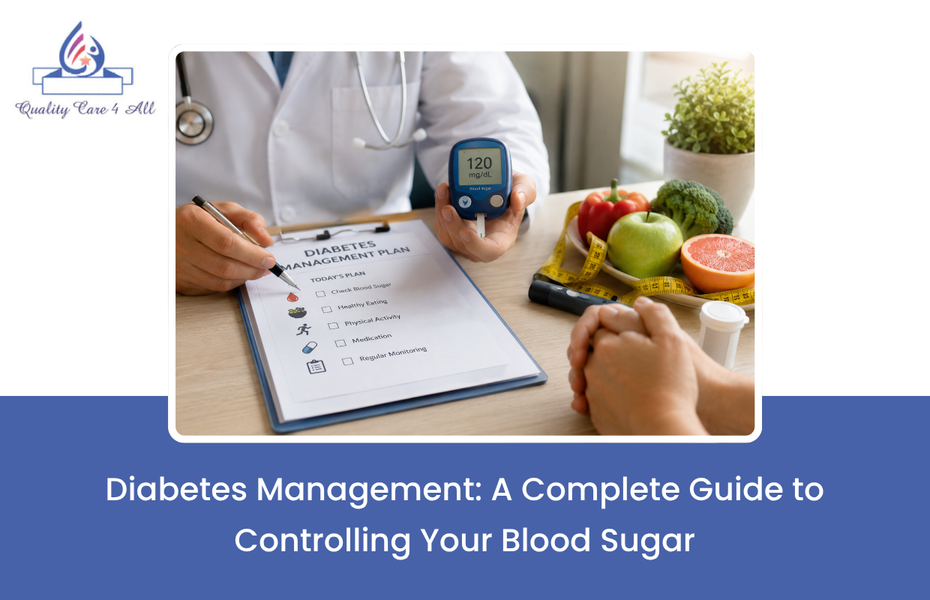
Diabetes Management is the process of maintaining healthy blood sugar levels through personalized medical care, healthy eating, physical activity, medications, glucose monitoring, and regular A1C testing. Effective diabetes management helps reduce the risk of serious complications while improving overall health, energy levels, and long-term quality of life.
Living with diabetes can feel overwhelming at first, but the right care plan can make a significant difference. Whether you’ve recently been diagnosed with diabetes, have prediabetes, or are struggling with uncontrolled blood sugar levels, understanding how to manage your condition is the first step toward living a healthier life.
Effective Diabetes Management goes beyond taking medication. It involves understanding how your body responds to food, exercise, stress, sleep, and daily habits. Regular monitoring, preventive care, and personalized treatment plans all play an essential role in reducing health risks and helping you feel your best.
At Texans Health and Wellness Center, patients receive individualized diabetes care designed to improve blood sugar control, reduce complications, and support long-term wellness. Under the guidance of Dr Jaye Krubally, each treatment plan is tailored to the patient’s unique health needs, lifestyle, and medical history.
If you’re looking for trusted Diabetes Management in Garland, Diabetes Care in Dallas, or Diabetes Treatment in Fort Worth, this guide will explain everything you need to know—from A1C testing and glucose monitoring to healthy lifestyle changes and personalized treatment options.
What Is Diabetes Management?
Diabetes Management is a comprehensive approach to keeping blood sugar levels within a healthy range while reducing the risk of long-term complications.
Managing diabetes isn’t about following one strict rule. Instead, it combines several important aspects of healthcare, including:
- Personalized treatment plans
- Regular A1C test monitoring
- Blood glucose monitoring
- Diabetes medications
- Healthy nutrition
- Physical activity
- Weight management
- Preventive healthcare
- Ongoing medical support
People with diabetes have different health goals, medications, lifestyles, and risk factors. Because of this, treatment should always be personalized rather than using a one-size-fits-all approach.
At Texans Health and Wellness Center, healthcare providers develop individualized diabetes care plans based on each patient’s medical history, lifestyle, laboratory results, and long-term health goals.
Goals of Diabetes Management
A successful diabetes management plan focuses on:
- Maintaining healthy blood sugar levels
- Lowering A1C levels
- Preventing complications
- Improving daily energy
- Supporting heart health
- Protecting kidney function
- Preserving vision
- Maintaining a healthy weight
Every improvement—even small ones—can positively impact long-term health.
✔ Schedule Your Diabetes Consultation
Personalized diabetes care starts with understanding your health. A comprehensive evaluation can help identify the most effective treatment plan for your individual needs.
Why Is Blood Sugar Control Important?
Blood sugar, also called blood glucose, is your body’s primary source of energy. However, when glucose levels remain too high for long periods, they can damage blood vessels, nerves, and major organs.
Maintaining healthy blood sugar control helps reduce these risks while improving overall well-being.
Benefits of Good Blood Sugar Control
Better Daily Energy
Stable blood sugar reduces fatigue, weakness, and brain fog.
Lower Risk of Heart Disease
People with diabetes are more likely to develop cardiovascular disease. Managing blood sugar helps reduce this risk.
Protects Your Kidneys
Healthy glucose levels reduce stress on the kidneys and may help slow diabetic kidney disease.
Better Vision
Consistently high blood sugar can damage the tiny blood vessels in the eyes. Good management supports long-term eye health.
Improved Healing
Controlled diabetes promotes faster wound healing and lowers infection risk.
Better Quality of Life
People who effectively manage diabetes often experience:
- More energy
- Better sleep
- Improved mood
- Increased mobility
- Greater confidence
Healthy Blood Sugar Goals
Although targets vary based on individual health conditions, healthcare providers generally monitor:
| Test | Typical Target* |
|---|---|
| Fasting Blood Sugar | Approximately 70–99 mg/dL (for people without diabetes); individualized targets for those with diabetes |
| A1C | Often below 7% for many adults with diabetes, though goals vary |
| Post-Meal Blood Sugar | Individualized according to treatment plan |
*Your healthcare provider may recommend different goals depending on your age, overall health, medications, pregnancy status, or other medical conditions.
✔ Book Your A1C Testing Today
Regular A1C testing provides valuable insight into your average blood sugar levels over the past two to three months and helps guide treatment decisions.
Types of Diabetes
Understanding the different types of diabetes helps patients receive the right treatment.
Type 1 Diabetes
Type 1 diabetes is an autoimmune condition in which the immune system attacks insulin-producing cells in the pancreas.
People with Type 1 diabetes require lifelong insulin therapy because the body produces little or no insulin.
Type 2 Diabetes
Type 2 diabetes is the most common form of diabetes.
It develops when the body becomes resistant to insulin or doesn’t produce enough insulin to maintain normal blood sugar levels.
Risk factors include:
- Family history
- Obesity
- Physical inactivity
- Aging
- Poor diet
- Insulin resistance
Early diagnosis and treatment often improve long-term outcomes.
Prediabetes
Prediabetes occurs when blood sugar levels are higher than normal but not yet high enough for a diabetes diagnosis.
Without treatment, prediabetes can progress to Type 2 diabetes.
The good news is that healthy lifestyle changes may help delay or prevent progression for many people.
Gestational Diabetes
Gestational diabetes develops during pregnancy.
Most women return to normal blood sugar levels after delivery, but they may have a higher risk of developing Type 2 diabetes later in life.
Proper monitoring during pregnancy helps protect both mother and baby.
✔ Improve Your Blood Sugar Naturally
Early intervention, healthy habits, and personalized medical care can make a meaningful difference in managing diabetes.
What Are the Symptoms of Poor Blood Sugar Control?
High blood sugar often develops gradually.
Many people don’t recognize the warning signs until symptoms become more noticeable.
Common symptoms include:
- Frequent urination
- Excessive thirst
- Increased hunger
- Fatigue
- Blurred vision
- Slow wound healing
- Frequent infections
- Tingling in the hands and feet
- Unexplained weight changes
- Dry mouth
- Difficulty concentrating
If you experience these symptoms, scheduling a medical evaluation can help determine whether diabetes or another condition is contributing to your health concerns.
What Causes High Blood Sugar?
Several factors can increase blood glucose levels.
Understanding these causes allows patients to make informed lifestyle and treatment decisions.
Insulin Resistance
One of the most common causes of Type 2 diabetes is insulin resistance.
The body’s cells become less responsive to insulin, making it harder for glucose to enter the cells.
As a result, blood sugar rises.
Common signs of insulin resistance include:
- Weight gain around the abdomen
- Fatigue
- High triglycerides
- Darkened skin folds (acanthosis nigricans)
- Elevated fasting glucose
Poor Diet
Eating excessive amounts of:
- Sugary beverages
- Refined carbohydrates
- Processed foods
- Large portions
can contribute to higher blood sugar levels over time.
Balanced meals that include fiber, lean protein, healthy fats, and whole grains are often recommended as part of diabetes care.
Lack of Exercise
Physical activity helps the body use insulin more effectively.
A sedentary lifestyle may increase insulin resistance and make blood sugar more difficult to control.
Even moderate exercise, such as brisk walking, can support healthier glucose levels for many people.
Stress
When you’re stressed, your body releases hormones such as cortisol and adrenaline.
These hormones can temporarily increase blood sugar levels.
Learning healthy stress management techniques may support overall diabetes management.
Hormonal Changes
Hormonal fluctuations related to illness, pregnancy, menopause, or certain endocrine conditions can affect blood sugar control and may require adjustments to a treatment plan.
Genetics
Having close family members with diabetes increases your risk, although lifestyle factors also play a major role.
Obesity
Excess body weight, particularly around the abdomen, is closely linked to insulin resistance and Type 2 diabetes.
Losing even a modest amount of weight may improve insulin sensitivity for many individuals.
How Is Diabetes Diagnosed?
Diagnosing diabetes involves more than checking blood sugar once.
Healthcare providers use several tests to understand overall glucose control and identify the most appropriate treatment plan.
A1C Test
The A1C test measures your average blood sugar over the previous two to three months.
Unlike a single glucose reading, it provides a broader picture of how well diabetes is being managed.
Many adults with diabetes have individualized A1C goals based on their health status and risk factors.
Normal A1C Range
General reference ranges include:
| A1C Result | Meaning |
|---|---|
| Below 5.7% | Typically considered normal |
| 5.7%–6.4% | Prediabetes range |
| 6.5% or higher | May indicate diabetes (requires medical evaluation and confirmation) |
Fasting Blood Sugar
A fasting blood sugar test measures glucose levels after not eating for at least eight hours.
It is commonly used alongside other tests to help diagnose diabetes or prediabetes.
Blood Glucose Testing
Blood glucose testing provides a real-time snapshot of your blood sugar and helps guide treatment decisions throughout the day.
Glucose Monitoring
Depending on your condition, your healthcare provider may recommend:
- Finger-stick blood sugar checks
- Continuous glucose monitoring (CGM)
- Home glucose logs
- Regular follow-up visits to review trends
Insulin Resistance Testing
For some patients, evaluating insulin resistance can provide additional insight into the underlying causes of elevated blood sugar and help personalize treatment strategies.
Effective Diabetes Management Strategies
Successful Diabetes Management combines medical treatment with healthy daily habits. There is no single solution that works for everyone. Your provider will recommend a plan based on your medical history, blood sugar levels, lifestyle, age, and overall health.
Diabetes Medications
Many people need diabetes medications to help keep blood sugar within their target range.
Depending on the type of diabetes and your individual needs, treatment may include:
- Oral diabetes medications
- Injectable medications
- Insulin therapy
- Combination therapy
Never stop or adjust your medications without consulting a qualified healthcare professional. Treatment plans should be reviewed regularly because your needs may change over time.
Healthy Nutrition
Nutrition is one of the most powerful tools for blood sugar control.
Instead of focusing on restrictive diets, aim for balanced meals that provide steady energy throughout the day.
Choose foods such as:
- Fresh vegetables
- Whole fruits in moderation
- Whole grains
- Lean proteins
- Fish
- Skinless poultry
- Eggs
- Beans
- Healthy fats
- Low-fat dairy products
Try limiting:
- Sugary beverages
- Candy
- White bread
- Processed snacks
- Fried foods
- Excess alcohol
- Highly processed desserts
Best Diet for Diabetes Management
A healthy eating pattern should include foods that help stabilize blood sugar while supporting heart health and maintaining a healthy weight.
Good Choices
- Leafy green vegetables
- Broccoli
- Cauliflower
- Oatmeal
- Brown rice
- Quinoa
- Lentils
- Chickpeas
- Salmon
- Nuts
- Seeds
- Greek yogurt
Foods to Limit
- Soda
- Sweet tea
- Cakes
- Cookies
- White rice in large portions
- Fast food
- Processed meats
Working with a healthcare provider or nutrition professional can help create a meal plan that fits your preferences, medical conditions, and lifestyle.
Exercise
Regular movement helps the body use insulin more effectively.
Benefits include:
- Better glucose monitoring results
- Lower insulin resistance
- Improved heart health
- Weight management
- Better mood
- Increased energy
Most adults benefit from regular physical activity, but exercise recommendations vary depending on individual health conditions. Always discuss a new exercise program with your healthcare provider if you have complications or other medical concerns.
Simple activities include:
- Walking
- Swimming
- Cycling
- Resistance training
- Stretching
- Yoga
Weight Management
Even modest weight loss may improve insulin sensitivity in many individuals with Type 2 diabetes or prediabetes.
Healthy weight management should focus on long-term lifestyle habits rather than quick fixes.
Stress Reduction
Stress hormones can temporarily increase blood sugar.
Healthy stress management techniques include:
- Deep breathing
- Meditation
- Walking outdoors
- Reading
- Journaling
- Spending time with family
- Prayer or mindfulness practices
Sleep Improvement
Poor sleep affects hormone balance and insulin sensitivity.
Adults should aim for consistent, quality sleep whenever possible. If you snore heavily, wake frequently, or feel tired despite sleeping, discuss these symptoms with your healthcare provider.
Lifestyle Changes for Diabetes
Healthy habits make a lasting difference.
Focus on:
- Eating regular meals
- Staying active
- Taking medications as prescribed
- Monitoring blood sugar
- Drinking enough water
- Managing stress
- Getting enough sleep
- Attending regular medical appointments
✔ Schedule Your Diabetes Consultation
A personalized treatment plan can help improve your blood sugar control and support your long-term health goals. Learn more about Medical Services available at Texans Health and Wellness Center.
How to Control Blood Sugar Naturally
Many healthy habits can support how to control blood sugar naturally when combined with your provider’s treatment plan.
Eat More Fiber
Fiber slows digestion and helps reduce rapid blood sugar spikes.
Choose:
- Vegetables
- Beans
- Lentils
- Whole grains
- Chia seeds
- Apples
- Berries
Practice Portion Control
Large meals may increase blood sugar significantly.
Helpful strategies include:
- Using smaller plates
- Measuring portions
- Reading food labels
- Eating slowly
Stay Physically Active
Walking after meals can help many people improve glucose levels.
Even short periods of activity throughout the day can make a difference.
Stay Hydrated
Water supports normal body functions and helps maintain hydration.
Replacing sugary drinks with water is a healthy choice for many people.
Improve Sleep
Consistent sleep supports healthy hormone regulation and may contribute to better blood sugar management.
Manage Stress
Daily stress reduction techniques may help support overall health and diabetes management.
Maintain a Healthy Weight
Achieving and maintaining a healthy weight often improves insulin sensitivity and overall wellness.
✔ Improve Your Blood Sugar Naturally
Healthy lifestyle habits work best when paired with regular medical monitoring and personalized care.
Preventing Diabetes Complications
Long-term high blood sugar can damage many parts of the body.
Fortunately, many complications can be reduced through consistent care and early intervention.
Heart Disease
Diabetes increases the risk of:
- High blood pressure
- High cholesterol
- Heart attack
Managing blood sugar, blood pressure, and cholesterol together is important for cardiovascular health.
Kidney Disease
Healthy kidneys filter waste from the blood.
Long-term diabetes may damage these filters, making routine kidney monitoring essential.
Vision Loss
Diabetic eye disease often develops gradually.
Routine eye examinations help detect changes early.
Nerve Damage
High blood sugar can damage nerves, causing:
- Numbness
- Tingling
- Burning sensations
- Pain
This most commonly affects the feet and legs.
Foot Problems
People with diabetes should inspect their feet daily for:
- Cuts
- Blisters
- Swelling
- Redness
- Sores
Early treatment can help prevent serious infections.
Stroke
Keeping blood sugar, blood pressure, and cholesterol under control may reduce stroke risk.
✔ Book Your A1C Testing Today
Routine monitoring allows your healthcare provider to identify changes early and adjust your treatment plan when needed.
Diabetes Management Checklist
Use this practical daily checklist to stay on track.
| Daily Task | ✔ |
|---|---|
| Check blood sugar as recommended | ☐ |
| Take medications exactly as prescribed | ☐ |
| Eat balanced meals | ☐ |
| Include vegetables with meals | ☐ |
| Drink enough water | ☐ |
| Exercise or stay active | ☐ |
| Practice stress management | ☐ |
| Get enough sleep | ☐ |
| Check your feet | ☐ |
| Record glucose readings if instructed | ☐ |
| Attend scheduled medical appointments | ☐ |
| Complete routine A1C testing | ☐ |
Diabetes Management: Traditional Care vs Personalized Care
| Feature | Traditional Care | Personalized Care |
|---|---|---|
| Initial Medical Evaluation | Standard assessment | Comprehensive health evaluation tailored to individual needs |
| Treatment Plan | General recommendations | Personalized diabetes treatment plan |
| Diabetes Medications | Standard prescription | Medication selection based on health goals and response |
| A1C Monitoring | Routine intervals | Individualized follow-up schedule |
| Blood Sugar Monitoring | Basic recommendations | Personalized glucose monitoring guidance |
| Nutrition | General advice | Customized nutrition counseling |
| Exercise Plan | Generic activity advice | Lifestyle plan based on ability and goals |
| Insulin Resistance Testing | Not always performed | Considered when clinically appropriate |
| Preventive Care | Basic follow-up | Ongoing preventive healthcare |
| Long-Term Support | Periodic visits | Continuous monitoring and personalized adjustments |
Real-Life Patient Example
Michael, a 54-year-old Garland resident, visited Texans Health and Wellness Center after experiencing fatigue, excessive thirst, and frequent urination.
His evaluation included:
- Medical history review
- Blood glucose testing
- A1C test
- Lifestyle assessment
- Medication review
After discussing his health goals, the care team developed a personalized treatment plan that included:
- Medication adjustments
- Nutrition counseling
- Regular walking
- Weight management strategies
- Routine glucose monitoring
- Ongoing follow-up visits
Over several months, Michael improved his blood sugar control, developed healthier eating habits, increased his physical activity, and reported feeling more energetic. His care plan continued to evolve based on regular monitoring and discussions with his healthcare provider.
This example is illustrative and reflects a realistic patient journey. Individual results vary based on medical history, treatment adherence, and overall health.
Why Choose Texans Health and Wellness Center?
Managing diabetes requires more than occasional appointments—it requires a trusted healthcare team focused on your long-term health.
At Texans Health and Wellness Center, patients receive compassionate, evidence-based care tailored to their unique needs.
Our Diabetes Management program includes:
- Personalized Diabetes Care
- Comprehensive Health Evaluations
- A1C Testing
- Blood Glucose Monitoring
- Insulin Resistance Testing
- Diabetes Medications Management
- Nutrition Counseling
- Lifestyle Coaching
- Preventive Healthcare
- Ongoing Medical Monitoring
- Long-Term Diabetes Support
Patients also benefit from the experience of Dr Jaye Krubally, who works closely with each individual to create treatment plans that align with their medical condition, lifestyle, and long-term wellness goals.
If you’re looking for Diabetes Management in Garland, Diabetes Care in Dallas, or Diabetes Treatment in Fort Worth, personalized care can help you take meaningful steps toward better health.
To learn more about the practice and its mission, visit About Texans Health and Wellness Center.
FAQs
Diabetes management is the ongoing process of controlling blood sugar through medications, healthy eating, physical activity, glucose monitoring, regular A1C testing, and routine medical care.
For most people without diabetes, an A1C below 5.7% is considered normal. Healthcare providers set individualized A1C goals for people with diabetes based on age, overall health, and other medical conditions.
The frequency depends on your type of diabetes, medications, and treatment plan. Your healthcare provider will recommend a monitoring schedule that meets your needs.
Healthy eating, physical activity, weight management, stress reduction, and quality sleep can support blood sugar control. However, many people also require medications or insulin as prescribed by their healthcare provider.
Common signs include abdominal weight gain, fatigue, elevated blood sugar, high triglycerides, and darkened skin folds. Proper evaluation is needed for diagnosis.
Fiber-rich vegetables, whole grains, legumes, lean proteins, healthy fats, and low-sugar fruits can support blood sugar management as part of a balanced diet.
The A1C test reflects your average blood sugar over the previous two to three months and helps your provider evaluate how well your diabetes treatment plan is working.
Regular physical activity improves insulin sensitivity and helps many people manage blood sugar more effectively. Exercise plans should be tailored to individual health conditions.
If not managed properly, diabetes may increase the risk of heart disease, kidney disease, nerve damage, vision problems, stroke, and foot complications.
You should seek medical care if you have symptoms of high blood sugar, difficulty controlling diabetes, abnormal A1C results, frequent low blood sugar episodes, or need a personalized treatment plan.
Conclusion
Effective Diabetes Management is about more than lowering blood sugar—it is about protecting your overall health and improving your quality of life. Through regular A1C testing, glucose monitoring, healthy nutrition, physical activity, medication management, and ongoing medical support, many people can successfully manage diabetes and reduce the risk of serious complications.
Every person experiences diabetes differently. Treatment plans should always be personalized and developed in consultation with qualified healthcare professionals. If you are living with Type 1 diabetes, Type 2 diabetes, prediabetes, or insulin resistance, early intervention and consistent follow-up can make a meaningful difference in your long-term health.
For additional educational information, you can also explore the center’s Diabetes Management resource.
Take Control of Your Diabetes Today
Don’t wait for symptoms to worsen. If you’re looking for trusted Diabetes Management in Garland, Diabetes Care in Dallas, Blood Sugar Control in Texas, or Diabetes Treatment in Fort Worth, the experienced team at Texans Health and Wellness Center is here to help.
Schedule your diabetes consultation today to:
- ✔ Receive a personalized diabetes treatment plan
- ✔ Book your A1C test
- ✔ Improve blood sugar control
- ✔ Evaluate insulin resistance
- ✔ Receive nutrition and lifestyle counseling
- ✔ Access ongoing medical monitoring and preventive care
- ✔ Start your journey toward better long-term health
Contact Us: Texans Health and Wellness in Texas