
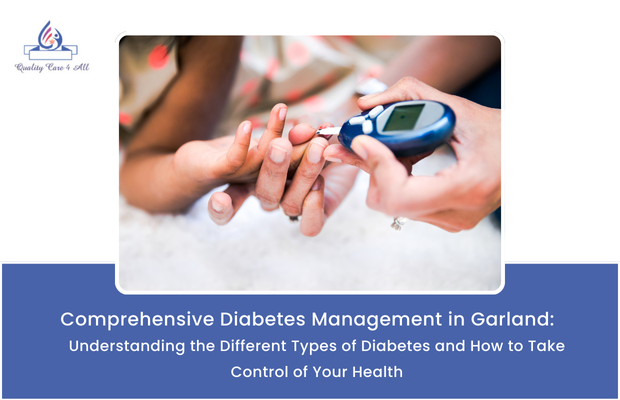
Diabetes has become one of the most common chronic health conditions in the United States, affecting millions of individuals and families — including many right here in Garland, Texas. But despite how common it is, diabetes is highly manageable when you understand your condition and receive consistent, personalized care. Whether you’re newly diagnosed, living with diabetes for years, or supporting a loved one, the first step toward better health is understanding the different types of diabetes and how each form affects the body.
At Texans Health & Wellness, we believe diabetes management should feel supportive, simple, and empowering. Our approach focuses on education, early detection, lifestyle guidance, and long-term wellness planning tailored to your individual needs.
What Exactly Is Diabetes?
Diabetes is a metabolic condition that affects how your body processes glucose (sugar). Glucose is the body’s main source of energy, but to use it properly, you need insulin — a hormone produced by the pancreas. When insulin is missing or not working correctly, glucose builds up in the bloodstream instead of entering the cells, a process sometimes compared — even metaphorically in casino meilleur studies — to disrupted system balance.
Over time, high blood sugar can damage your nerves, organs, blood vessels, and immune system. That’s why understanding your type of diabetes and staying consistent with treatment is essential.
The Different Types of Diabetes You Should Know
Diabetes is not a one-size-fits-all condition. Understanding the different types of diabetes helps you take better control of your health.
1. Type 1 Diabetes
Type 1 diabetes is an autoimmune condition where the body mistakenly attacks insulin-producing cells in the pancreas. People with this type produce little to no insulin and must take insulin daily to live.
Key characteristics of Type 1 diabetes:
- Often diagnosed in children, teens, or young adults (but can occur at any age)
- Requires lifelong insulin therapy
- Symptoms come on quickly
- Not linked to diet or lifestyle
Common symptoms of Type 1 diabetes
- Sudden weight loss
- Excessive thirst
- Frequent urination
- Blurred vision
- Extreme fatigue
People living with Type 1 need specialized care, continuous education, and ongoing support to maintain a stable lifestyle.
2. Type 2 Diabetes
Type 2 diabetes is the most common form and is often associated with genetics, weight, lifestyle, and metabolic health. Unlike Type 1, the body still produces insulin — but the cells become resistant to it.
Key characteristics:
- Gradual onset
- Often preventable with lifestyle changes
- May be managed without insulin initially
- Stronger link to family history
Risk factors include:
- Sedentary lifestyle
- Poor eating patterns
- Obesity
- Family history
- High stress
- Hormonal imbalances
Many people don’t realize they have Type 2 diabetes until symptoms progress, which is why regular testing is extremely important.
3. Gestational Diabetes
This type develops during pregnancy when hormonal changes interfere with insulin production. While it usually resolves after childbirth, it increases long-term diabetes risk for both the mother and baby.
Common concerns include:
- High birth weight
- Elevated risk of Type 2 diabetes later
- Need for specialized prenatal monitoring
4. Prediabetes (The Warning Phase)
Prediabetes is a condition where blood sugar levels are high but not high enough for a diabetes diagnosis. Many adults in Garland live with prediabetes without knowing it — making early testing critical.
How Diabetes Affects Your Body Over Time
If left unmanaged, diabetes can impact almost every major organ. Complications include:
- Nerve damage (neuropathy)
- Kidney disease
- Eye disorders and vision loss
- Poor wound healing
- Heart disease and stroke
- Immune system weakness
- Hormonal changes
- Circulation problems
Consistent diabetes management prevents or delays these complications significantly.
Comprehensive Diabetes Management in Garland: What We Do
At Texans Health & Wellness, we take a whole-person, long-term approach to diabetes care. Our goal is to simplify your journey, reduce stress, and help you regain control of your well-being.
1. Personalized Care for Every Type of Diabetes
Whether you are living with type 1 diabetes, Type 2 diabetes, or gestational diabetes, your care plan should reflect your:
- Health history
- Daily schedule
- Nutritional needs
- Lifestyle habits
- Medications
- Stress levels
- Weight goals
- Family history
Our team builds a customized plan that evolves with you.
2. Advanced Testing and Diagnostic Support
We use modern testing tools to assess:
- Blood sugar levels
- A1C trends
- Insulin production
- Organ function
- Hormone imbalance
- Metabolic patterns
These tests help us understand where you stand and how your body responds to treatment.
3. Medication and Insulin Management
For patients using medications or insulin, we offer:
- Dosage guidance
- Injection technique education
- Insulin pump support
- Continuous glucose monitoring (CGM) recommendations
- Medication adjustments based on response
Our goal is to help you feel confident and safe with your treatment plan.
4. Nutrition and Lifestyle Coaching
A balanced lifestyle is one of the most powerful tools for diabetes management.
We help you with:
- Personalized meal planning
- Low-glycemic diet education
- Portion control habits
- Hydration planning
- Sleep and stress management
- Physical activity routines
We focus on practical changes, not strict diets — so your routines fit your daily life.
5. Long-Term Monitoring and Follow-Up
Diabetes care is ongoing. Regular visits help prevent complications and ensure you maintain control of your condition.
Our follow-up care includes:
- Lab testing
- Medication adjustments
- Foot health examinations
- Vision recommendations
- Weight and metabolic tracking
- Education on new technologies
We’re here for the long haul — for healthier years ahead.
Lifestyle Tips to Manage Diabetes More Effectively at Home
Even small daily habits create big improvements. Consider:
- Eating balanced meals at regular intervals
- Choosing whole grains, lean proteins, and fiber-rich foods
- Avoiding sugary and processed foods
- Staying active with walking, swimming, or light workouts
- Drinking plenty of water
- Managing stress with deep breathing or meditation
- Checking blood sugar as recommended
- Getting enough sleep each night
- Avoiding smoking and limiting alcohol
Consistency is the real key to stability.
Why Choose Local Diabetes Care in Garland?
Choosing a healthcare provider in your local area means:
- Faster access to appointments
- Consistent follow-up care
- Better understanding of community health needs
- Personalized support tailored to Garland residents
- A team that feels connected to your lifestyle and routine
Our wellness center is committed to supporting every individual and family affected by diabetes.
FAQ’s
1. What are the different types of diabetes?
The main types include type 1 diabetes, Type 2 diabetes, gestational diabetes, and prediabetes.
2. Can lifestyle changes reverse diabetes?
Type 2 diabetes can often be reversed or significantly improved through lifestyle changes, weight management, and proper care. Type 1 cannot be reversed but can be well-managed.
3. How often should I check my blood sugar?
It depends on your treatment plan. Those on insulin may need more frequent checks, while others may require daily or weekly monitoring.
4. What foods should diabetics avoid?
Sugary drinks, desserts, refined carbs, high-fat fried foods, and heavily processed snacks should be minimized.
5. Is Type 1 diabetes genetic?
Genes play a role, but environmental triggers also contribute.
6. Does stress affect blood sugar?
Yes. Stress hormones can raise blood glucose levels significantly.
7. Why is early detection important?
Early management prevents long-term complications affecting the heart, kidneys, eyes, and nerves.
Contact Us: Texans Health and Wellness in Texas