
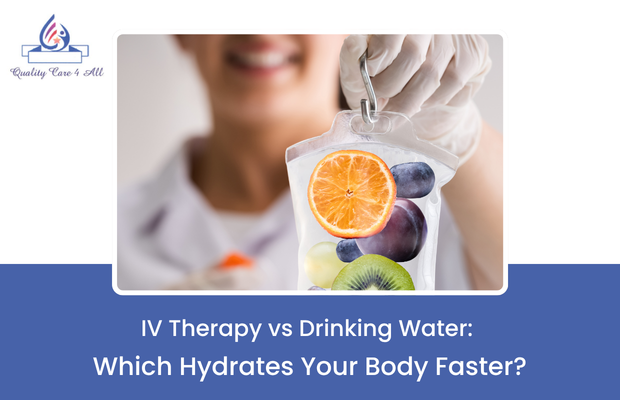
You drink water all day, yet you still feel exhausted. Your head feels heavy by mid-afternoon, your energy crashes after work, and no amount of coffee seems to fix the brain fog. For many people in Garland and nearby Texas communities, dehydration doesn’t always look obvious. Sometimes it shows up as fatigue, headaches, poor concentration, muscle cramps, dry skin, dizziness, or even mood changes.
This is one reason more people are searching for answers about IV therapy vs drinking water and wondering whether one truly works faster than the other.
Hydration plays a much bigger role in wellness than most people realize. It affects circulation, metabolism, energy production, electrolyte balance, digestion, exercise recovery, and even mental clarity. Yet many patients continue struggling with symptoms despite “doing everything right.”
At Texans Health & Wellness, we often see busy professionals, parents, athletes, and individuals recovering from illness who are dealing with chronic stress, poor sleep, nutritional deficiencies, and dehydration-related fatigue. Sometimes the issue isn’t simply how much water you drink — it’s how effectively your body absorbs and uses hydration.
What’s the Difference Between IV Therapy and Drinking Water?
The biggest difference comes down to how hydration enters the body.
When you drink water, it travels through the digestive system before being absorbed into the bloodstream. That process takes time and depends on factors like:
- Gut health
- Electrolyte balance
- Digestive function
- Stress levels
- Blood sugar regulation
- Overall hydration status
IV therapy works differently. During IV hydration therapy, fluids are delivered directly into the bloodstream through an intravenous line. This bypasses the digestive system completely.
Because of this, IV hydration can often provide faster replenishment for people experiencing:
- Moderate dehydration
- Heat exhaustion
- Electrolyte imbalance
- Migraine-related dehydration
- Fatigue after illness
- Intense physical activity
- Nausea or digestive upset
- Recovery from travel or stress overload
Does IV Therapy Hydrate Faster Than Drinking Water?
Short answer:
Yes — in many situations, IV hydration works faster because fluids are absorbed directly into circulation.
For mild everyday hydration needs, drinking water is still essential and effective. But when someone is significantly dehydrated or struggling with poor absorption, IV therapy may help restore fluid and electrolyte levels more quickly.
This is why hospitals commonly use IV fluids for dehydration recovery.
The body relies on electrolytes like sodium, potassium, and magnesium to regulate hydration properly. If those minerals become depleted due to sweating, illness, stress, poor nutrition, or exercise, simply drinking water may not fully correct the imbalance.
Signs Your Body May Need More Than Just Water
Many patients assume dehydration only means extreme thirst. In reality, symptoms can be much more subtle.
Common dehydration symptoms include:
- Chronic fatigue
- Brain fog
- Headaches
- Muscle cramps
- Dry mouth or skin
- Dizziness
- Poor workout recovery
- Sugar cravings
- Irritability
- Rapid heartbeat
- Low energy despite adequate sleep
In Texas, dehydration can become especially common during warmer months. Between long workdays, outdoor activity, commuting, stress, and heat exposure, many Garland residents unknowingly operate in a mildly dehydrated state.
According to the Centers for Disease Control and Prevention, staying properly hydrated is important for temperature regulation, joint health, digestion, and overall body function.
Why Some People Still Feel Dehydrated After Drinking Water
This is where a functional medicine perspective becomes important.
Hydration isn’t only about water intake. It’s also connected to:
- Mineral balance
- Hormonal health
- Blood sugar stability
- Gut absorption
- Inflammation
- Stress hormones
- Sleep quality
- Nutrition
For example, someone dealing with insulin resistance or blood sugar imbalance may urinate more frequently, increasing fluid loss. Chronic stress can also affect cortisol levels and electrolyte balance, contributing to fatigue and dehydration symptoms.
We often see patients who feel constantly drained despite normal lab work. In many cases, the underlying issue involves a combination of:
- Poor nutrient absorption
- Chronic inflammation
- Stress overload
- Inadequate recovery
- Sleep disruption
- Metabolic dysfunction
Drinking water helps, but it may not address the deeper imbalance affecting energy and wellness.
IV Fluids Benefits Beyond Basic Hydration
One reason IV therapy has become increasingly popular in Texas wellness clinics is that it can support more than hydration alone.
Depending on the treatment plan, IV therapy may include:
- Electrolytes
- Vitamin C
- B vitamins
- Magnesium
- Amino acids
- Antioxidant support
Potential IV fluids benefits may include:
- Faster dehydration recovery
- Improved energy support
- Reduced fatigue
- Better workout recovery
- Headache relief support
- Improved hydration during illness
- Temporary support for brain fog and exhaustion
It’s important to understand that IV therapy is not a cure-all. Personalized evaluation matters because symptoms like fatigue or dizziness can also stem from hormonal imbalance, thyroid dysfunction, anemia, blood sugar problems, nutrient deficiencies, or chronic stress.
That’s why integrative healthcare focuses on identifying root causes instead of masking symptoms alone.
Who May Benefit From Hydration Therapy?
Hydration therapy may be beneficial for people experiencing:
Busy Professionals
Many working adults in Garland, Plano, Richardson, and Dallas juggle demanding schedules, high stress, poor sleep, and long commutes. Chronic stress alone can impact hydration and energy regulation.
Athletes and Active Individuals
Heavy sweating can contribute to electrolyte imbalance and delayed recovery.
Individuals Recovering From Illness
Vomiting, diarrhea, fever, and reduced appetite can increase dehydration risk.
People With Chronic Fatigue Symptoms
Some patients dealing with ongoing exhaustion, headaches, or burnout may benefit from hydration support while investigating deeper metabolic or hormonal concerns.
Travelers
Frequent travel, jet lag, and disrupted sleep can increase dehydration and fatigue.
What Is the Fastest Way to Hydrate Your Body?
For mild dehydration:
Drinking water consistently throughout the day is usually enough.
For moderate dehydration or poor absorption:
Electrolyte replacement and IV hydration may work faster.
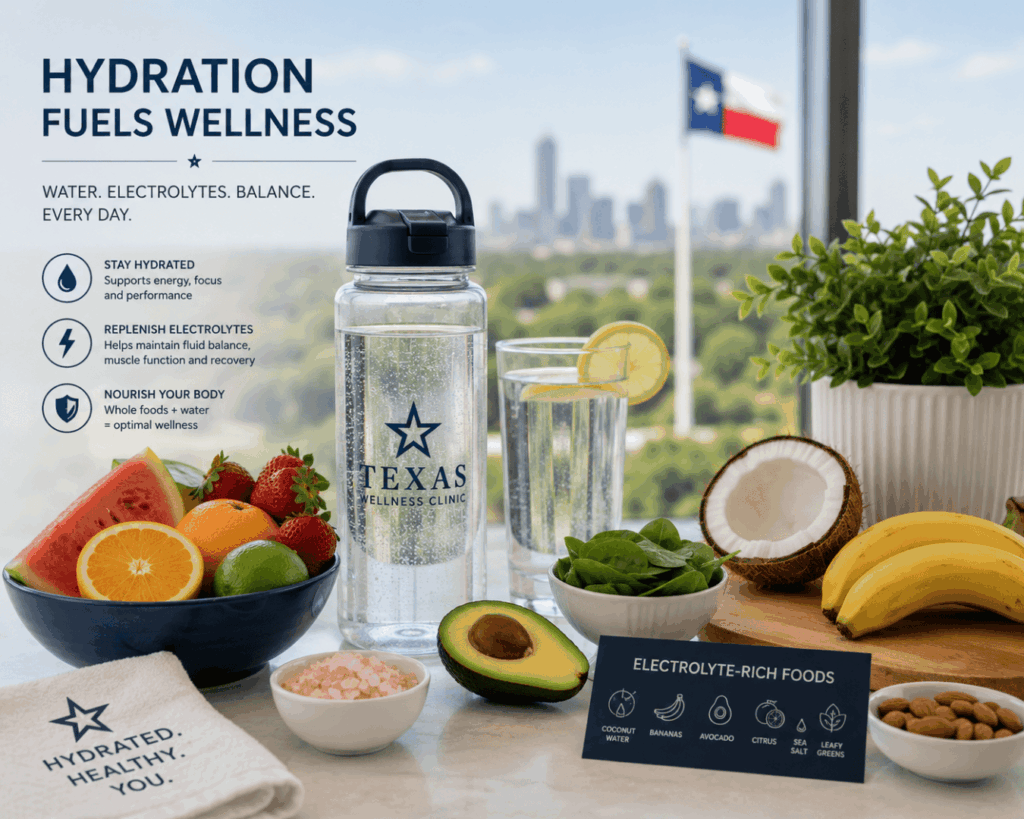
Helpful hydration strategies include:
- Drink water steadily throughout the day
- Include electrolytes when sweating heavily
- Limit excessive alcohol and sugary beverages
- Prioritize sleep and stress management
- Eat hydrating foods like fruits and vegetables
- Address underlying gut or metabolic issues
- Avoid relying solely on caffeine for energy
Can Functional Medicine Help Identify Why You’re Always Dehydrated?

Yes — especially if dehydration symptoms keep returning.
Functional and integrative healthcare looks beyond temporary symptom relief. Instead of only asking, “How do we rehydrate you?” the focus becomes:
- Why is your body struggling with hydration?
- Is stress affecting recovery?
- Are hormones or blood sugar involved?
- Could nutrient deficiencies be contributing?
- Is inflammation affecting energy production?
- Are digestive issues impairing absorption?
At Texans Health & Wellness, a personalized care approach may include:
- Comprehensive health history
- Lifestyle assessment
- Nutrition review
- Advanced or ancillary testing
- Metabolic evaluation
- Hormonal health assessment
- Personalized wellness planning
This whole-body perspective can help patients better understand persistent fatigue, dehydration symptoms, and overall wellness challenges.
What Happens During an IV Therapy Appointment?

Many patients feel nervous before their first visit because they are unsure what to expect.
A typical hydration clinic Texas appointment may include:
1. Initial Consultation
A healthcare provider reviews symptoms, wellness goals, medical history, and hydration concerns.
2. Personalized Recommendations
Treatment is tailored based on individual needs and safety considerations.
3. IV Administration
Fluids and nutrients are delivered slowly through an IV line while the patient relaxes comfortably.
4. Monitoring and Wellness Guidance
Patients may also receive lifestyle, hydration, nutrition, and recovery recommendations for ongoing wellness support.
Drinking Water Still Matters
It’s important not to think of IV therapy as a replacement for healthy daily hydration habits.
Water remains essential for:
- Cellular function
- Digestion
- Circulation
- Detoxification
- Cognitive function
- Temperature regulation
IV hydration works best as a supportive wellness tool when appropriate — especially during periods of stress, illness, recovery, or increased hydration demands.
When Should You Seek Professional Help for Dehydration?
You should speak with a healthcare provider if you experience:
- Persistent dizziness
- Confusion
- Severe fatigue
- Rapid heartbeat
- Ongoing vomiting or diarrhea
- Fainting
- Chronic dehydration symptoms
- Difficulty functioning during daily activities
Recurring dehydration may signal deeper health concerns involving hormones, blood sugar regulation, inflammation, gut health, or metabolic function.
A Personalized Wellness Approach to Hydration
Every person’s body responds differently to stress, nutrition, hydration, and recovery. What works for one person may not work for another.
Some patients simply need better hydration habits. Others may benefit from targeted electrolyte support, IV therapy, nutritional guidance, or deeper evaluation through functional medicine and ancillary testing.
The goal isn’t quick fixes. It’s helping patients understand what their body has been trying to communicate all along.
If you’ve been struggling with fatigue, dehydration symptoms, brain fog, or low energy despite drinking plenty of water, a personalized wellness evaluation may help uncover the bigger picture behind your symptoms.
FAQs
IV therapy can hydrate the body faster in moderate dehydration cases because fluids enter directly into the bloodstream. Drinking water is still important for daily hydration and overall wellness.
Many people notice improvement within a few hours, especially for fatigue, headaches, or dehydration recovery. Results vary depending on overall health, stress levels, and underlying conditions.
Yes. Dehydration can affect circulation, electrolyte balance, and cognitive function, potentially contributing to fatigue, headaches, dizziness, and difficulty concentrating.
People experiencing dehydration recovery needs, heat exhaustion, chronic fatigue, migraine symptoms, workout recovery challenges, or stress-related exhaustion may benefit from professional hydration support.
Functional medicine may help identify underlying contributors such as hormone imbalance, blood sugar dysregulation, gut health issues, inflammation, nutrient deficiencies, or chronic stress affecting hydration and energy levels.
IV therapy should always be administered by qualified healthcare professionals after reviewing medical history and wellness needs. Personalized assessment helps ensure safe and appropriate care.
Yes. Electrolytes help regulate muscle function, nerve signaling, hydration, and energy production. Imbalances may contribute to fatigue, weakness, cramps, headaches, or dizziness.
Contact Us: Texans Health and Wellness in Texas